
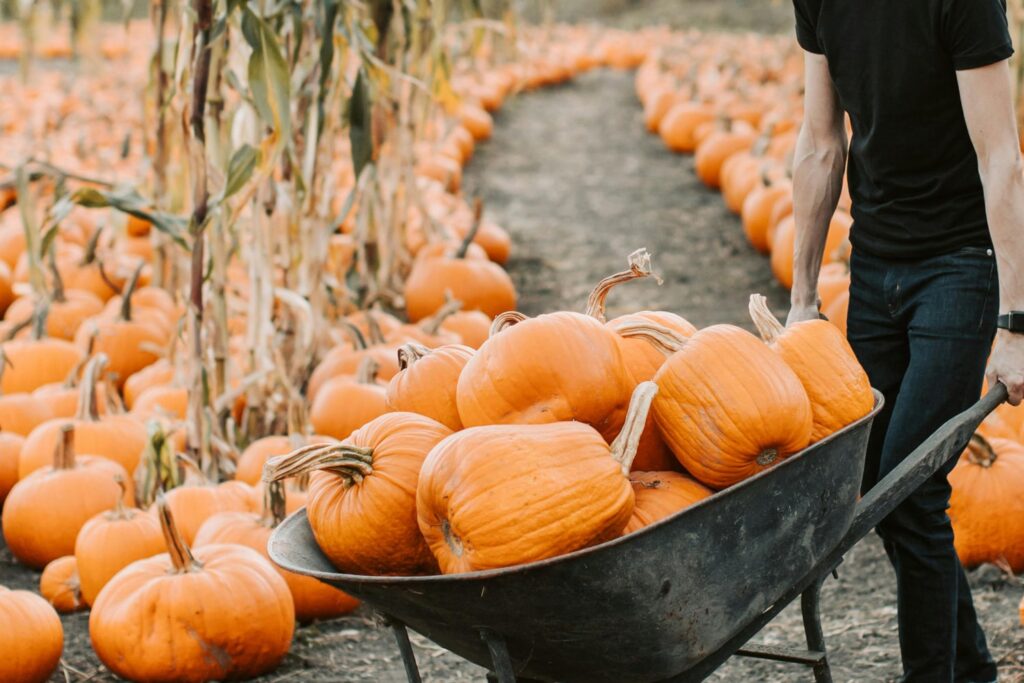
Small town residents often look for creative ways to earn extra income, especially during slower economic seasons. A seasonal pumpkin patch business offers the perfect opportunity to turn autumn enthusiasm into profit while serving the community’s desire for family-friendly fall activities.
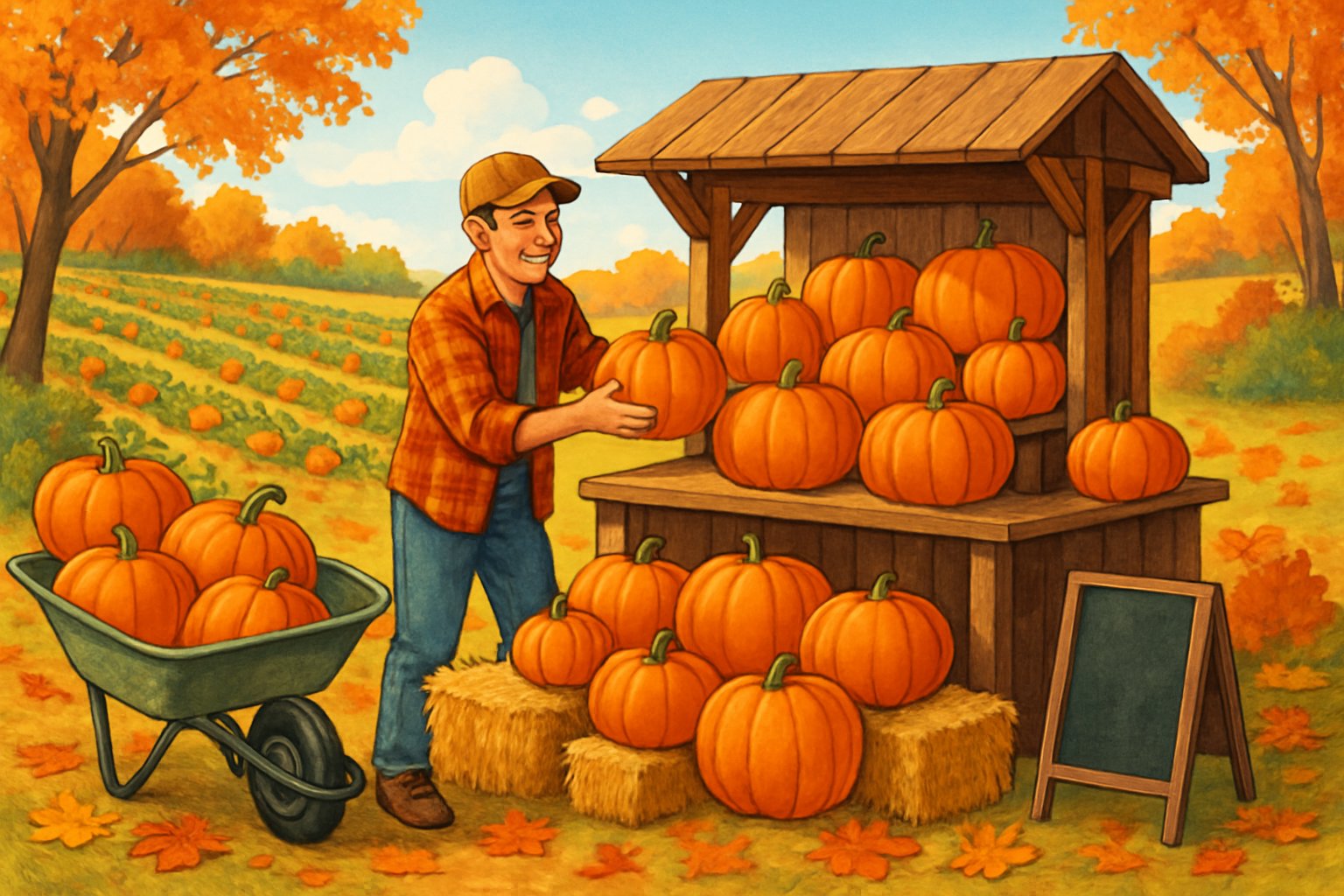
Starting a pumpkin patch side hustle requires as little as $10,000 to $50,000 in initial investment and can generate significant seasonal income through pumpkin sales, activities, and partnerships with local vendors. This type of agritourism business thrives in small communities where families seek authentic fall experiences like corn mazes, hayrides, and pick-your-own pumpkin adventures. The seasonal nature makes it ideal for those who want to maintain other jobs or businesses during the rest of the year.
Success depends on understanding startup costs, building strong local customer relationships, and creating memorable experiences that keep families coming back each autumn. The business model works particularly well in small towns where community support runs strong and competition from large commercial attractions remains limited. From securing the right land to marketing effectively within tight-knit communities, building a profitable pumpkin patch requires strategic planning and local knowledge.
What Is How to Build a Seasonal Pumpkin Patch Side Hustle?
A seasonal pumpkin patch side hustle involves creating a temporary autumn business that operates for a short period each year. This pumpkin patch business typically runs from late September through October.
The side hustle combines growing or purchasing pumpkins with creating fun family activities. Most pumpkin patches offer u-pick experiences where customers select their own pumpkins directly from the field.
Key Components Include:
- Pumpkin growing or wholesale purchasing
- Land access for operations
- Basic attractions like hay rides or corn mazes
- Sales area for transactions
- Parking and customer flow management
This pumpkin business model works well for farmers looking to add income streams. It also appeals to entrepreneurs who want seasonal work without year-round commitment.
Many small towns see success with simple setups. A farmer in rural Ohio might use five acres of existing farmland. They could add a small hay maze and wagon rides to boost revenue.
Revenue Streams:
- Pumpkin sales ($8-$20 per pumpkin)
- Activity fees ($5-$15 entry)
- Food and beverage sales
- Group bookings and field trips
The business requires minimal year-round work. Most preparation happens in spring and summer. The main selling season lasts just 6-8 weeks.
Pumpkin patch operations can generate $20,000 to $60,000 per acre during peak season. Success depends on location, marketing, and customer experience quality.
This side hustle works best near populated areas where families seek fall activities. Access to main roads and adequate parking space are essential for customer convenience.
Why How to Build a Seasonal Pumpkin Patch Side Hustle Works in Small Towns
Small towns provide the perfect setting for pumpkin patch side hustles. Many families drive 50+ miles to find authentic farm experiences they cannot get in cities.
Lower Competition and Startup Costs
Small towns typically have fewer entertainment options during fall months. This creates less competition for family activities. Land costs remain much lower than urban areas, reducing initial investment needs.
Strong Community Support
Small town residents actively support local businesses. They share recommendations through word-of-mouth marketing that costs nothing. Churches, schools, and community groups often organize field trips to nearby farms.
Built-in Customer Base
Rural areas already have farming knowledge and appreciation. Families understand the value of agritourism experiences. They want their children to learn about agriculture in hands-on ways.
Key Success Factors for Small Towns:
- Partner with local schools for educational field trips
- Advertise at feed stores and farm supply shops
- Connect with 4-H clubs and FFA chapters
- Offer group discounts for church and scout groups
Realistic Revenue Potential
Small patches serving 500-2,000 visitors can generate $15,000-$40,000 per season. Even modest operations with basic activities like hayrides and pumpkin picking create profitable side income.
Extended Marketing Reach
Small town patches attract visitors from surrounding communities. Families will travel reasonable distances for authentic farm experiences. This expands the customer base beyond just local residents.
The combination of low costs, community support, and regional draw makes small towns ideal for pumpkin patch ventures.
Startup Costs and Basic Requirements
Starting a seasonal pumpkin patch requires $15,000 to $50,000 for most operations. Small towns like Millerville, Ohio often see lower costs due to cheaper land options.
Essential Legal Requirements:
- Business registration and EIN from the IRS
- Local permits for agricultural activities
- Liability insurance coverage
- Health department approvals for food sales
Major Cost Categories:
| Expense | Small Scale | Medium Scale |
|---|---|---|
| Land lease/purchase | $5,000-$15,000 | $20,000-$35,000 |
| Seeds and materials | $2,000-$5,000 | $5,000-$8,000 |
| Equipment | $3,000-$8,000 | $10,000-$20,000 |
| Permits and insurance | $1,000-$3,000 | $2,000-$5,000 |
Equipment Needs:
- Basic farming tools and irrigation
- Mowing equipment for pathways
- Storage buildings or sheds
- Point-of-sale system for customers
Many successful operators start with partnerships involving local farmers. This approach reduces land costs while sharing equipment expenses.
Money-Saving Tips:
- Buy used equipment from farm auctions
- Partner with existing farms for land access
- Use volunteers during peak season
- Focus on direct sales to avoid wholesale margins
Small patches in towns like Cedar Falls, Iowa often succeed with just 2-3 acres. They keep costs low by offering simple experiences like pumpkin picking and wagon rides.
The key is starting small and expanding based on customer demand and profit margins.
How to Get Customers in a Small Town
Small towns offer unique advantages for pumpkin patch businesses. Word-of-mouth spreads quickly, and families often travel several towns over for seasonal activities.
Partner with local schools for field trips during weekdays. Schools need autumn activities, and group bookings create steady revenue streams early in the season.
Connect with churches and community groups that host fall festivals. These organizations often seek local vendors and can bring dozens of families at once.
Use social media strategically by posting photos of families picking pumpkins. Tag customers who visit and encourage them to share their experiences with friends.
Set up at farmers markets in nearby towns to sell smaller pumpkins and promote the main patch. This creates awareness beyond your immediate area.
Offer excellent customer service by remembering regular customers’ names and preferences. Small-town visitors expect personal attention and will return for that experience.
Create package deals that combine pumpkin sales with activities like hayrides. Families prefer one-stop experiences rather than paying separately for each activity.
Partner with local businesses like cafes or hardware stores to display flyers. Many small-town businesses support each other’s ventures.
Host special events like harvest festivals or corn maze nights. Events generate buzz and give people reasons to visit multiple times.
Advertise in school newsletters and community bulletins. Parents in small towns read these publications regularly for family activity ideas.
Challenges and Things to Watch Out For
Starting a pumpkin patch business comes with real risks that can hurt profits. Weather problems like early frost or drought can destroy entire crops.
Pest issues cause major headaches for new growers. Squash bugs attack pumpkin plants and can kill whole sections of the patch. These pests are hard to spot early and spread quickly.
Disease problems often catch beginners off guard. Poor soil drainage leads to root rot. Crowded plants get fungal infections that spread fast.
Common Business Challenges:
- High startup costs for seeds, tools, and land prep
- Weather damage to crops
- Pest control expenses
- Storage and transportation issues
- Competition from grocery stores
Growing Problems to Avoid:
- Planting too late in the season
- Poor soil preparation
- Inadequate spacing between plants
- Inconsistent watering
- Wrong pumpkin varieties for the climate
Many small town patches fail because owners plant winter squash varieties that take too long to mature. A farmer in Ohio learned this lesson when his 120-day pumpkins weren’t ready by October.
Financial risks include crop insurance costs and unpredictable yields. Bad weather years can wipe out profits completely.
Storage becomes expensive if pumpkins don’t sell quickly. Proper curing space costs money but prevents rot losses.
Labor shortages during harvest season create bottlenecks. Many patches struggle to find reliable help for picking and customer service during busy October weekends.
Tips to Maximize Success
Start small and expand gradually. Many successful operators begin with basic pumpkin sales and add one new attraction each year. This approach keeps startup costs manageable while building customer loyalty.
Implement strategic pricing that attracts families. Charge $5-10 for entry and $8-15 per pumpkin. Offer group discounts to schools and scout troops to increase weekday traffic.
Add high-margin attractions that extend visits. Hayrides typically cost $2,000-5,000 to set up but can charge $5-8 per person. Petting zoos with goats and chickens require minimal investment but create memorable experiences that justify higher admission fees.
Focus on weekends but capture weekday revenue. Partner with local schools for field trips during the week. Many patches in small towns like Guthrie, Oklahoma generate 40% of their revenue from educational visits.
Create photo opportunities everywhere. Families spend money at places where they can capture memories. Set up hay bale displays, scarecrow scenes, and colorful pumpkin arrangements.
Cross-sell food and beverages aggressively. Hot apple cider, caramel apples, and kettle corn have profit margins over 60%. Position concession stands near main attractions.
| Revenue Stream | Profit Margin | Customer Appeal |
|---|---|---|
| Pumpkin sales | 200-300% | High |
| Hayrides | 70-80% | Very High |
| Concessions | 60-70% | High |
| Parking fees | 95% | Low |
Leverage free marketing channels. Post daily photos on social media and encourage customer reviews. Word-of-mouth drives most pumpkin patch traffic.
Extend the season when possible. Some operators add Christmas tree sales or winter activities to maximize land use and customer relationships.
Why How to Build a Seasonal Pumpkin Patch Side Hustle Will Stay Relevant
Pumpkin patches have become a $30+ million annual industry with over 40 million Americans visiting each year. This demand shows no signs of slowing down as families seek authentic fall experiences.
Growing Market Trends support long-term success:
- 63% of visitors are millennials or younger generations
- Average spending reaches $20-$30 per visit
- Customers travel 50+ miles to visit patches
The business model adapts well to changing times. Small business owners in rural towns like Pella, Iowa have successfully operated patches for decades by evolving their offerings.
Technology integration keeps patches relevant without losing charm. Online ticketing systems and social media marketing help small operations compete with larger attractions.
Multiple revenue streams create stability:
- Pumpkin sales
- Activity fees (hayrides, corn mazes)
- Food concessions
- Group bookings
- Photo opportunities
Economic factors favor this small business model. Low startup costs of $5,000-$10,000 make entry accessible to new entrepreneurs.
Seasonal flexibility allows owners to pursue other work during off-months. Many successful patch owners run complementary businesses like Christmas tree farms or wedding venues.
The agritourism trend continues expanding as people seek experiences over material goods. Small town patches benefit from this shift toward authentic, local entertainment.
Educational value keeps schools and youth groups returning annually. Patches provide hands-on learning about agriculture that digital alternatives cannot replace.
Weather independence through covered areas and indoor activities ensures operations continue during poor conditions, protecting revenue streams.
Conclusion
Starting a seasonal pumpkin patch side hustle offers real potential for extra income during fall months. Many small-town entrepreneurs successfully launch patches with just $5,000 to $10,000 in startup costs.
The key lies in starting small and growing gradually. A basic one-acre patch can generate $20,000 to $60,000 in revenue during peak season.
Location matters most for success. Patches within 50 miles of suburbs attract steady weekend traffic. Small towns like Millerville, Ohio see families drive from nearby cities for authentic farm experiences.
Essential elements for success:
- Quality pumpkins and mini varieties
- Simple attractions like hayrides
- Safe parking and clear signage
- Fair pricing at $5-15 entry fees
The business works well as a side hustle because it operates mainly on weekends during September and October. This fits perfectly around regular jobs or other commitments.
Smart patch owners focus on repeat customers. Families return yearly when they enjoy clean facilities and friendly service. Word-of-mouth marketing proves most effective in small communities.
Even modest patches in rural areas like Farmington, Iowa attract 500-1,000 visitors per season. This creates solid supplemental income with reasonable time investment.
The seasonal nature means manageable workload. Most preparation happens in summer, with intense activity lasting just 6-8 weekends.
Success requires planning, but the rewards extend beyond money. Patch owners create lasting memories for families while building valuable community connections.
Frequently Asked Questions
Starting a pumpkin patch side hustle involves specific startup costs, planting schedules, and marketing strategies that determine success. Most new operators can expect to invest $5,000 to $10,000 for a basic operation and earn $20,000 to $60,000 per acre with proper planning.
What are the essential steps to start a pumpkin patch business?
The first step involves securing suitable land with full sunlight and water access. Many operators in rural areas start with 2-3 acres of owned or leased farmland.
Next, operators obtain necessary permits and insurance coverage. Local zoning laws often require special permits for agritourism activities.
Plant selection comes third, with most patches growing multiple pumpkin varieties plus gourds and mini pumpkins. Popular varieties include jack-o’-lantern pumpkins and pie pumpkins.
Setting up basic infrastructure follows planting. This includes parking areas, simple sales structures, and basic attractions like hay bale mazes.
Finally, operators develop pricing strategies. Most patches charge $5 to $15 for entry and $8 to $20 per picked pumpkin.
What is the average profit one can expect from an acre of pumpkin farming?
Each acre typically generates $20,000 to $60,000 in revenue during peak season. Well-managed patches in populated areas often reach the higher end of this range.
Profit margins usually run 25% to 35% after expenses. This translates to $5,000 to $21,000 net profit per acre for successful operations.
One acre can support 800 to 1,500 visitors during the season. Higher visitor counts directly correlate with increased per-acre profits.
Additional activities boost profitability significantly. Patches offering hayrides, corn mazes, and food sales often double their per-acre income.
How can you effectively market a seasonal pumpkin patch to attract visitors?
Social media marketing proves most effective for reaching families. Facebook ads targeting parents within 50 miles generate strong returns for small patches.
School partnerships create steady weekday traffic. Many operators offer discounted field trips to elementary schools and daycares.
Roadside signage captures drive-by traffic effectively. Simple directional signs placed on nearby main roads increase visibility.
Email marketing to previous customers builds repeat business. Successful patches collect contact information and send seasonal reminders.
Community event participation expands awareness. Setting up booths at local farmers markets and fall festivals attracts new customers.
During which season and under what conditions should pumpkins be planted for optimal growth?
Pumpkin planting typically occurs in late May to early June in most regions. This timing allows for October harvest during peak demand.
Pumpkins require 90 to 120 days to mature fully. Earlier varieties like Small Sugar mature faster than large carving pumpkins.
Soil temperature should reach 70°F before planting. Cold soil prevents proper germination and stunts early growth.
Full sunlight exposure is essential for healthy pumpkin development. Patches need 6 to 8 hours of direct sunlight daily.
Adequate spacing prevents disease and promotes larger pumpkins. Most varieties need 50 to 100 square feet per plant.
How can one determine the number of pumpkins that can be harvested per acre?
Standard plantings yield 1,000 to 1,500 pumpkins per acre. Dense plantings of mini varieties can produce up to 3,000 pumpkins per acre.
Plant spacing directly affects yield numbers. Closer spacing produces more small pumpkins, while wider spacing creates fewer large ones.
Variety selection impacts harvest totals significantly. Jack-o’-lantern varieties typically yield 800 to 1,200 pumpkins per acre.
Soil quality and weather conditions influence final yields. Rich, well-drained soil with adequate rainfall maximizes production.
Proper pest management maintains yield potential. Regular monitoring for squash bugs and cucumber beetles protects crop numbers.
What are the key considerations when considering the purchase of an existing pumpkin patch?
Location assessment comes first when evaluating existing patches. Successful operations need easy road access and adequate parking space.
Financial records review reveals true profitability patterns. Buyers should examine at least three years of revenue and expense data.
Equipment inventory affects purchase value significantly. Existing tractors, irrigation systems, and activity equipment add substantial worth.
Customer database value provides ongoing marketing advantages. Established email lists and social media followings generate immediate traffic.
Lease agreements require careful examination if land isn’t owned. Long-term lease security protects investment and expansion plans.
Zoning compliance ensures continued operation legality. Existing permits and approvals prevent costly regulatory issues after purchase.