
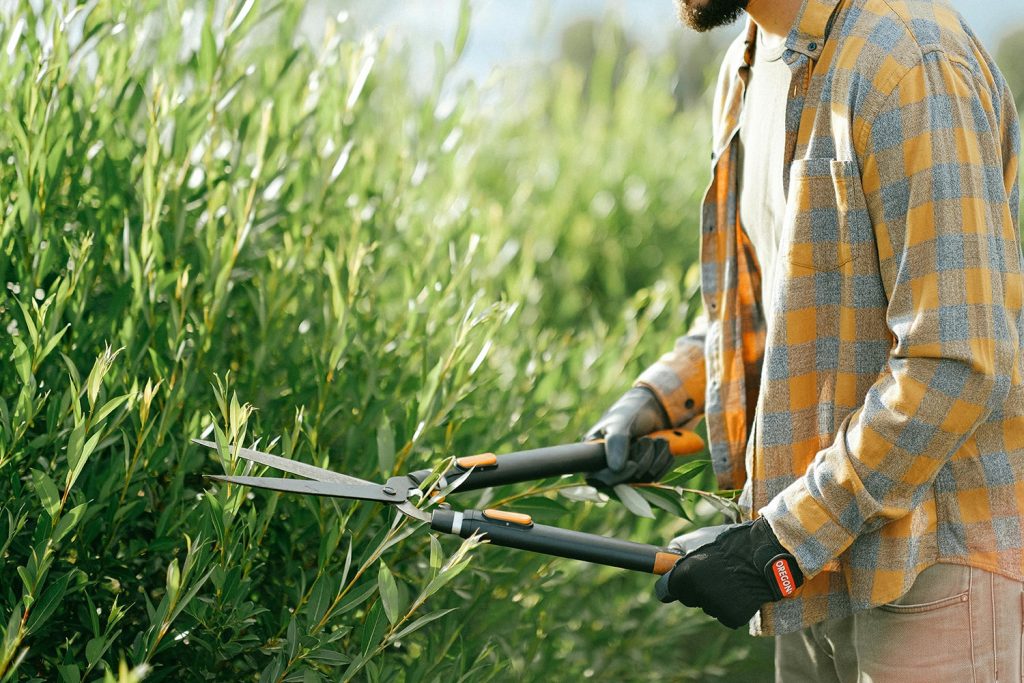
Many people in small towns look for side hustles to earn extra income without having to leave their community. Seasonal lawn and garden work fits well with the local pace of life and provides steady opportunities throughout the year. Whether it’s mowing and edging in the summer or clearing leaves in the fall, these jobs demand skills that many small-town residents already have or can easily learn.
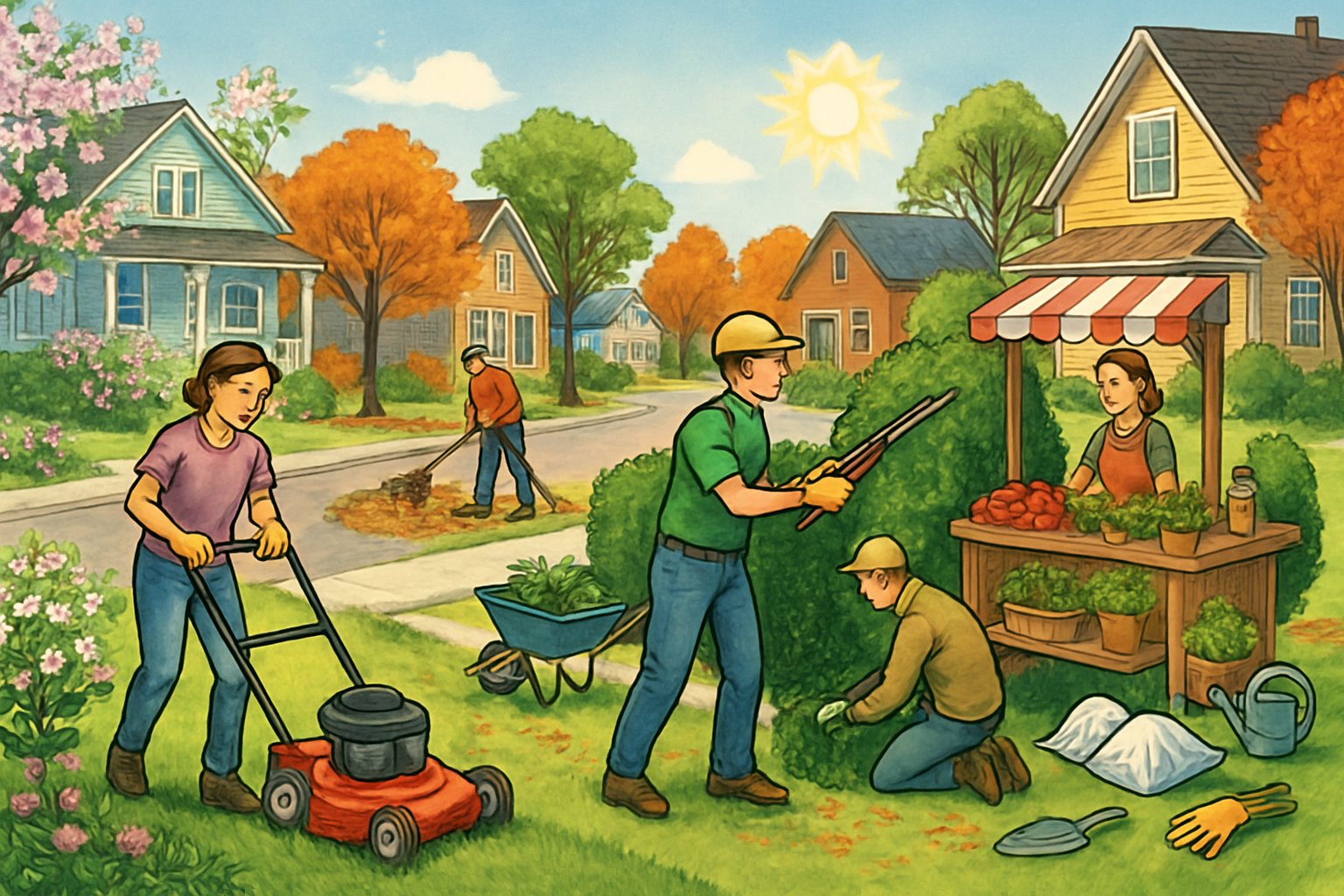
Seasonal lawn and garden side hustles offer flexible, repeat business that matches the changing needs of the local landscape. In spring, planting and garden prepping are popular, while summer brings lawn maintenance and pest control. Fall is great for leaf removal and preparing gardens for winter. People in small towns often rely on neighbors for these services, building trust and steady income with each season.
Small town life usually means word-of-mouth and personal connections matter most. Offering reliable, quality service can lead to regular customers and referrals. For example, someone who starts by cutting grass might find chances to sell seedlings in spring or offer snow removal in winter, creating a full year of earning potential from a simple lawn and garden side hustle.
What Is Seasonal Lawn & Garden Side Hustles in Small Towns?
Seasonal lawn and garden side hustles are part-time jobs that focus on outdoor work tied to specific times of the year. In small towns, these side hustles help people earn extra money while meeting local needs for lawn care and garden maintenance.
These side hustles often include tasks like mowing lawns in spring and summer, leaf removal in fall, and preparing gardens for winter. Because small towns have close communities, word of mouth is a powerful way to find customers.
Common side hustles include:
- Lawn mowing and trimming
- Fertilizing and weed control
- Leaf and debris cleanup
- Garden planting and maintenance
For example, someone in a small town might start by mowing a few neighbor’s lawns on weekends. As they get more clients, they could add services like weed control or seasonal garden clean-up, creating a steady flow of income.
Success depends on understanding local climate and soil, which helps in scheduling the right services at the right times. Small town clients often value personal attention, so building good relationships and offering reliable service is key.
Practical tip: They can advertise using local flyers, community boards, or social media groups focused on their town. This helps reach customers before each season’s demand peaks. Offering package deals for multiple services can also attract steady clients through the year.
Why Seasonal Lawn & Garden Side Hustles in Small Towns Works in Small Towns
Small towns often have a strong sense of community. People trust neighbors and prefer local services, making lawn care and gardening businesses easy to start and grow. Word-of-mouth referrals can quickly build a loyal client base.
In small towns, many homeowners have larger yards than in cities. This creates steady demand for lawn care services like mowing, edging, and leaf removal during peak seasons. A seasonal schedule fits well since needs change with spring planting, summer maintenance, and fall cleanup.
Gardening and landscaping also thrive because residents take pride in their outdoor spaces. Offering seasonal packages such as flower planting in spring or mulching in fall can attract consistent work. For example, in a town where many people grow vegetables, helping with garden prep can be a profitable niche.
Seasonal work means less upfront cost. Simple tools like mowers, trimmers, and gardening gloves are enough to begin. Starting small, then adding equipment over time, keeps risks low while earning extra income.
Businesses that combine lawn care with gardening or landscaping can offer year-round services. By adapting to seasonal changes, they stay busy longer and meet local demands.
Practical tip: He could post flyers at community centers and markets to announce seasonal services. She might partner with local nurseries to offer discounts. Both approaches help reach customers organically in close-knit towns.
Startup Costs and Basic Requirements
Starting a seasonal lawn and garden side hustle in a small town requires a few essential tools. A basic push lawn mower is the main piece of equipment, usually costing around $200. This is enough to handle most lawns found in suburban or rural areas.
Other important items include a trimmer for edges, a blower to clear debris, and gardening tools like rakes and pruners. These tools help provide complete yard care with neat results. Small towns often have nearby sellers on Facebook Marketplace or Craigslist where used tools can be bought for less.
For more demanding tasks, a chainsaw is useful for cutting branches or clearing fallen trees. It’s not needed at first but can be added as the side hustle grows and more clients ask for tree work.
Beyond tools, he or she needs basic safety gear, such as gloves and safety glasses. These protect against debris and sharp objects.
The total startup cost in a small town can be kept near $300 to $400 by buying gently used equipment. This is affordable for many, especially when compared to commercial gear.
Typically, no special licenses are required to start mowing and general lawn care in small towns. However, it’s good to check local rules. A reliable vehicle for transport is needed, but many use their own cars or small trucks.
Keeping costs low but quality high is key in smaller communities where word of mouth spreads quickly.
How to Get Customers in a Small Town
In a small town, word of mouth is one of the most powerful tools for getting customers. If someone is happy with a gardening service or lawn care job, they’ll often tell neighbors and friends. Offering great customer service helps build trust quickly.
Many small towns have community spaces like local shops or churches where flyers can be posted. A simple flyer listing services, prices, and contact details can reach people who might not be online often.
Using Facebook Marketplace or local buy-and-sell groups is another effective way to spread the word. People often look there for local helpers. Offering a discount for first-time customers can encourage people to book the service.
Knocking on doors in a neighborhood with lots of yards needing care can work well. A short, friendly introduction and a flyer or business card can catch attention fast.
Creating a free Google My Business profile helps people find the service online. It also shows reviews, photos of past work, and contact information. This makes it easier for local clients to trust and choose the business.
Finally, offering package deals, like seasonal garden cleanups or weekly lawn mowing, encourages repeat business. This steady work helps build long-term relationships and a reliable income stream in a small town setting.
Challenges and Things to Watch Out For
Finding customers in small towns can be tough. Many residents may already use established lawn services, so standing out is important. Offering personalized service or seasonal extras, like leaf removal or garden prep, can help build a loyal customer base.
Physical demands are a real factor. Lawn and garden work takes strength and stamina. It can be hard for beginners to keep up during busy seasons. They should learn proper techniques to avoid injury, such as pacing themselves and using ergonomic tools.
Managing equipment costs is another challenge. Buying all the tools upfront can be expensive. Renting equipment at first or starting with basic gear like a mower and trimmer helps reduce costs until the business grows.
Legal rules vary by town. operators should check if they need licenses or permits. Insurance may be required to protect against accidents or damage.
Seasonal work means income can be unstable. Winter or rainy seasons might slow business considerably. To balance this, some offer soil testing services or garden planning during slower months. This adds value and keeps clients engaged year-round.
Soil testing is useful but often overlooked. It helps identify nutrient needs for healthier lawns and gardens. Small town customers may appreciate this expert advice if it’s offered as part of the service.
Pricing can also be tricky. Competitors might lower prices, so it’s important to stay competitive without cutting too deep into profits. Offering package deals or discounts on long-term contracts can encourage repeat business.
Marketing in small towns works best through word-of-mouth and local networking. Personal recommendations often matter more than online ads. Participating in community events and handing out flyers at stores can create trust and get the word out effectively.
Tips to Maximize Success
To succeed in seasonal lawn and garden side hustles, focusing on local demand is key. In small towns, offering popular services like plant flipping—buying plants at low prices and reselling them at a profit—can attract steady customers. Knowing which plants do well in the area helps increase sales.
Setting up a pumpkin patch in the fall is another good way to boost income. It draws families and visitors, creating a community event feel. Adding simple activities, like hayrides or photo spots, can increase interest and earnings without much extra cost.
Growing and selling fresh herbs year-round can add steady cash flow. Small towns appreciate fresh, local produce. She can supply nearby restaurants or farmers’ markets, which often seek local herbs for their menus.
Good marketing matters. Using social media and local bulletin boards helps spread the word. Offering special deals or bundles, like a mix of herbs or a pumpkin with gardening advice, encourages repeat customers.
Keeping track of expenses and profits ensures the business stays healthy. They should invest in quality tools but avoid overspending early on. Maintaining clear records also helps when planning to expand services, such as adding lawn care or seasonal decorations.
Building strong relationships with neighbors and local stores benefits growth. Collaborations like cross-promoting at garden centers or community events can bring more customers through shared efforts. Being reliable and professional fosters trust and referrals.
Why Seasonal Lawn & Garden Side Hustles in Small Towns Will Stay Relevant
Seasonal lawn and garden side hustles fit well in small towns because many residents have yards and gardens but limited time or skills to maintain them. People often pay for help with mowing, planting, weeding, or leaf removal during busy times of the year.
Small towns usually have fewer landscaping companies, which means less competition. This gives side hustlers a chance to build steady clients. For example, a teen might mow lawns in the spring and summer, then switch to snow removal or raking leaves in the fall and winter.
Gardening side hustles can include selling homegrown plants, flowers, or vegetables at farmers markets or roadside stands. This works well year-round if they grow perennial crops or start plants indoors during colder months.
Practical tip: Advertising through local Facebook groups, community bulletin boards, and word of mouth is very effective in small towns. People trust neighbors and local recommendations more than online ads.
Another advantage is lower startup costs. Tools like mowers, rakes, and basic gardening supplies are affordable, making it easier for many to begin. A side hustler who rents equipment seasonally can keep costs low while meeting changing demand.
Small town clients often prefer friendly, personal service. Being reliable and communicating well can lead to repeat business and referrals—keys to long-term success in seasonal lawn and garden work.
Conclusion
Seasonal lawn and garden side hustles offer practical ways to earn extra income in small towns. They fit well with local rhythms and community needs, like spring lawn prep or fall leaf cleanup. For example, in a town with many older homes, leaf removal can be a steady fall gig.
Consistency and quality build trust. Showing up on time and doing a neat job helps keep customers coming back. Small-town clients often appreciate personal connections, so a friendly attitude matters.
Marketing can be simple but effective. Flyers at community centers, posts in local social media groups, or teaming up with garden supply stores can bring in new clients. Offering seasonal packages, such as spring fertilizing plus weed control, adds value and steady work.
Investing in good equipment pays off. A reliable mower, trimmer, and blower make jobs easier and faster. It’s better to rent expensive tools only when needed to keep costs low.
Understanding the local climate and soil helps tailor services. For instance, in cooler regions, lawns may need less frequent mowing but more attention to soil health. He or she should also stay informed about new eco-friendly products as many small town customers prefer greener options.
By combining strong customer service, smart marketing, and seasonal expertise, anyone can build a rewarding lawn and garden side hustle in a small town. The key is to start small, learn continuously, and adapt to what the local market wants.