
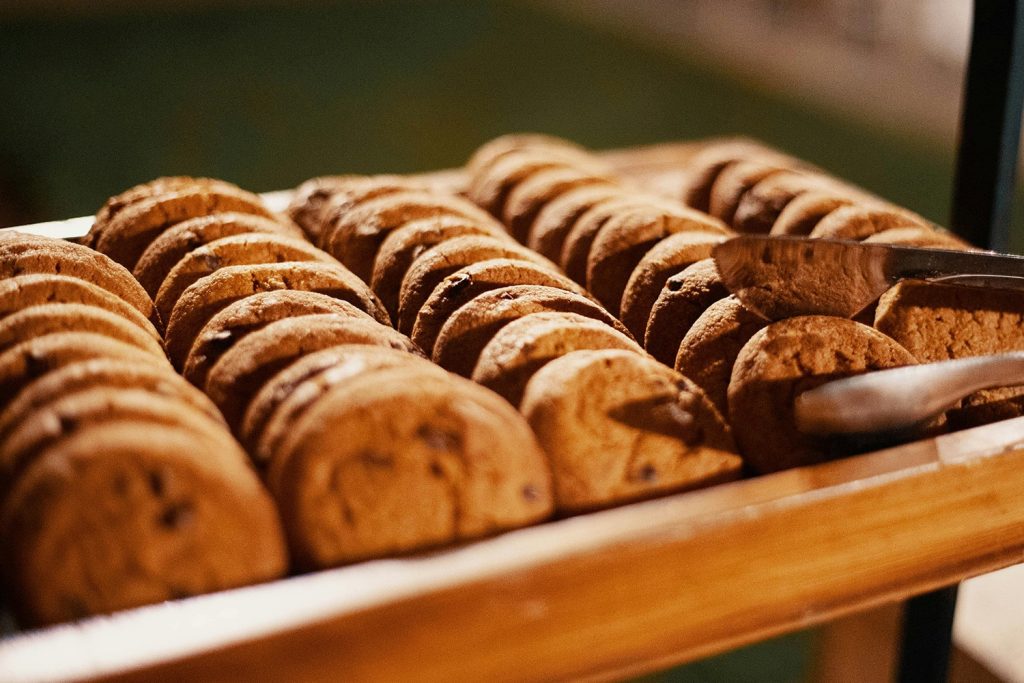
Many people in small towns look for ways to earn extra money from home. Starting a baking business offers flexibility and lets people turn their skills into income without leaving their community.
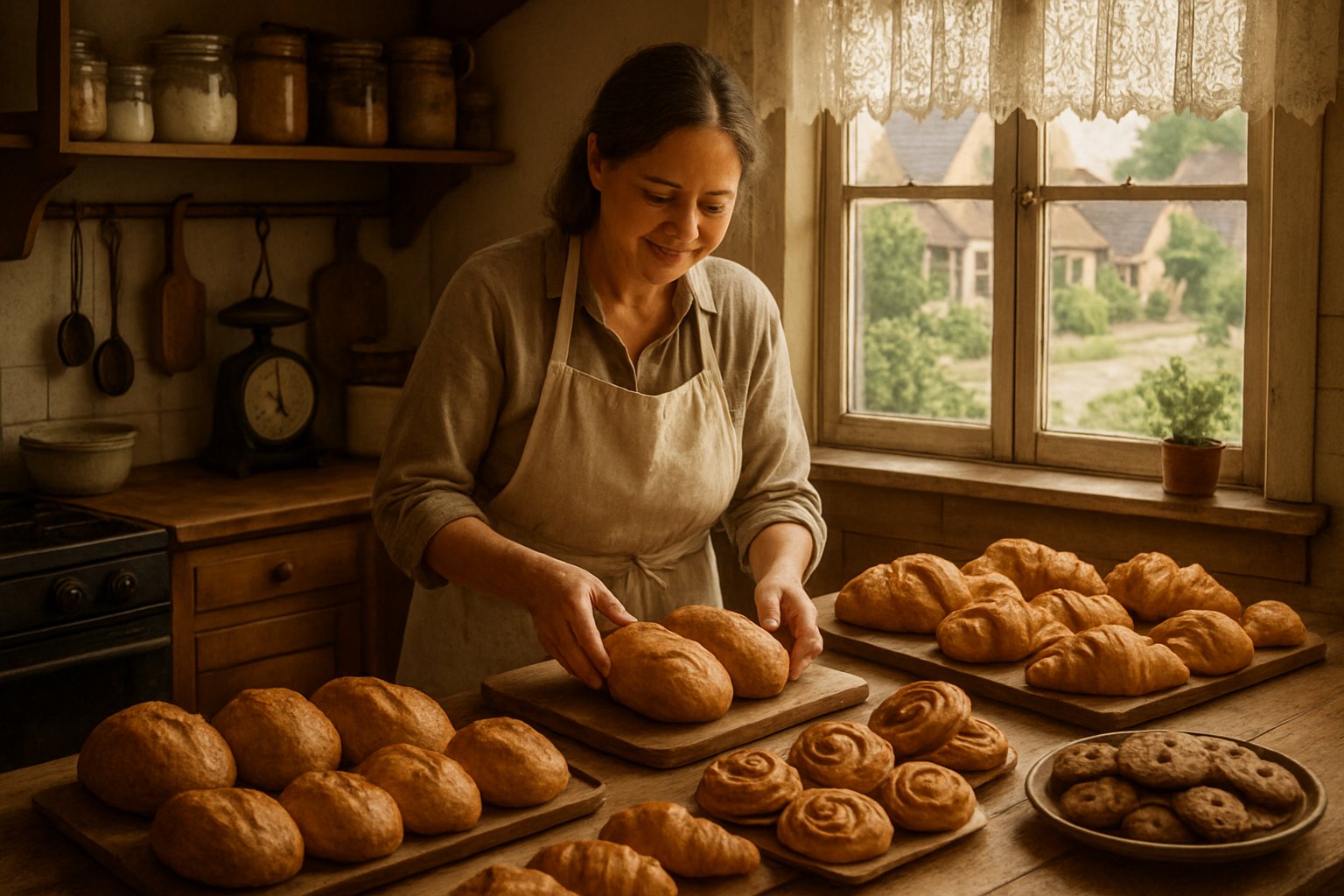
Small town bakers can legally sell homemade goods from their kitchen by registering as cottage food operators with their local county. This option works well in smaller communities where people know each other and word spreads quickly about quality products.
Selling baked goods from home in small towns comes with unique advantages and challenges. Success depends on understanding local rules, building customer relationships, and managing costs effectively. The right approach can turn a hobby into steady income while serving neighbors who appreciate homemade treats.
What Is Selling Baked Goods From Home in Small Towns?
Selling baked goods from home in small towns means running a home bakery business from a personal kitchen. People make items like cookies, cupcakes, cakes, brownies, muffins, and pastries to sell in their local community.
Small town bakers often start by selling to neighbors and friends. They might set up at local farmers markets or community events. Some take orders through social media or word-of-mouth referrals.
Common products include:
- Fresh-baked cookies and brownies
- Custom cakes for birthdays and weddings
- Seasonal desserts for holidays
- Daily items like muffins and pastries
Most states have cottage food laws that allow home baking businesses. These laws let people sell certain low-risk baked goods without needing a commercial kitchen. Bakers must follow specific rules about what they can make and where they can sell.
Small towns offer unique advantages for home bakers. Competition is often limited compared to big cities. Customers value personal relationships and homemade quality.
Many small town bakers know their customers personally. They can customize orders and build loyal followings. Local events like church functions, school fundraisers, and town festivals provide regular selling opportunities.
The business typically requires basic equipment most home kitchens already have. Bakers need mixing bowls, measuring tools, baking pans, and reliable ovens. Storage containers and packaging materials help present products professionally.
Success depends on consistent quality and meeting local demand. Popular items vary by season and community preferences.
Why Selling Baked Goods From Home in Small Towns Works
Small towns create perfect conditions for home-based food businesses. People know each other well and trust local bakers more than big store brands.
Community Support Makes the Difference
Neighbors actively support small businesses in their area. Word spreads quickly when someone makes great cookies or bread. A baker in a town of 3,000 people can build a loyal customer base faster than in a big city.
Lower Competition
Small towns often have fewer bakeries and dessert shops. This gives home bakers a clear advantage. Less competition means more customers for each food business.
Direct Sales Work Better
Small town bakers can sell directly to customers without middlemen. They can:
- Set up at the weekly farmers market
- Take orders through social media
- Deliver to regular customers
- Sell at local events and fairs
Personal Relationships Drive Sales
Customers become friends in small towns. A baker might supply cookies for the school fundraiser or make birthday cakes for several families. These personal connections create steady income.
Lower Business Costs
Small towns offer cheaper living costs. Home bakers spend less on ingredients and supplies. They also save money on advertising since word-of-mouth marketing works so well.
Flexible Schedule Benefits
Home-based food businesses let bakers work around family schedules. They can bake when it’s convenient and take time off when needed. This flexibility works especially well in small town life.
Startup Costs And Basic Requirements
Starting a home bakery requires modest initial investment compared to commercial operations. Most home bakers can begin with $500 to $2,000 in startup costs.
Equipment needs include basic baking tools, mixing bowls, measuring cups, and quality baking pans. A reliable oven and mixer are essential investments.
Licensing requirements vary by state, but many allow cottage food operations without permits. Ohio, for example, requires no license for home-based food businesses selling non-hazardous baked goods like cookies and cakes.
| Essential Costs | Estimated Range |
|---|---|
| Basic equipment | $300-800 |
| Initial ingredients | $100-300 |
| Labels and packaging | $50-150 |
| Insurance (optional) | $200-500/year |
Small town bakers often start with items they already own. Sarah from rural Kansas began her cookie business using her grandmother’s mixing bowls and her existing KitchenAid mixer.
Commercial kitchen rental becomes necessary only when scaling beyond cottage food limits. Many small towns have shared commercial kitchens available for $15-25 per hour.
Home bakers must label products clearly, showing ingredients and contact information. Simple printed labels work well for starting out.
Food safety training helps build customer confidence. Many states offer online courses for $20-50.
Storage containers and cooling racks are often overlooked expenses. Budget $100-200 for proper food storage and transport containers.
How To Get Customers In A Small Town
Getting customers for a home bakery in small towns requires different strategies than in big cities. The smaller customer base means each relationship matters more.
Start with your network first. Tell friends, family, and neighbors about your bakery business. In small towns, these connections often lead to the most sales through word-of-mouth referrals.
Target local businesses for partnerships. Visit coffee shops, cafes, and restaurants that might sell your baked goods. Small town business owners often support each other when the partnership makes sense.
Join the local farmers market. This gives regular exposure to potential customers every week. People who shop at farmers markets already value homemade, quality food products.
Show up consistently at the same farmers market for at least six months. Small town customers need to see a business multiple times before they trust it enough to buy.
Use local social media hashtags. Post on Instagram and Facebook with hashtags like #[townname]food or #[townname]bakery. Small town food lovers often search these local tags.
Offer allergy-safe options. Small towns have fewer bakery choices, so specializing in gluten-free or nut-free baked goods can fill an important gap in the market.
Key strategies that work:
- Attend community events with samples
- Partner with local farms for fresh ingredients
- Join local Facebook groups to share your business
- Advertise school-safe treats for parents
Building trust takes time in small communities, but loyal customers will become your best marketing tool.
Challenges And Things To Watch Out For
Selling baked goods from home brings several important challenges that require careful attention.
Food safety risks top the list of concerns. Poor kitchen hygiene can cause food poisoning in customers. Storage problems with ingredients can lead to contamination.
Many states require a dedicated kitchen space only for food production. This means bakers cannot use their regular home kitchen for personal cooking while running a business.
Local health codes often require home inspections before selling begins. In small towns like Cedar Rapids, sellers must pass county health department reviews of their kitchen setup.
Sales restrictions limit earning potential:
- Annual income caps (often $15,000-$50,000)
- Restrictions on where products can be sold
- Limits on food types allowed
Legal compliance creates ongoing burdens. Some areas require:
- Food handler training certificates
- Business licenses and permits
- Recipe approval processes
- Regular health inspections
Insurance concerns arise when selling food to the public. Standard homeowner policies may not cover food business liability. Specialized coverage often costs $200-$500 annually.
Customer expectations can be challenging in small communities. Word travels fast about quality issues. One bad batch can damage reputation quickly.
Competition from established bakeries in town may view home sellers as unfair competition. This can create tension in small business communities.
Seasonal demand fluctuations affect income consistency. Holiday orders surge while summer months may slow significantly in tourist-dependent small towns.
Tips To Maximize Success
Start small and focus on quality. Home bakers should begin with 2-3 signature items they can make consistently well. Jane from Cedar Falls built her reputation by perfecting just chocolate chip cookies and banana bread before expanding her menu.
Build local relationships early. Small town success depends on word-of-mouth marketing. Bakers can offer free samples at community events, school functions, or church gatherings to introduce their products.
Use social media to showcase products. Even in small towns, Facebook and Instagram help reach customers. Post photos of fresh baked goods, behind-the-scenes baking videos, and customer testimonials.
Price products fairly but profitably:
- Calculate ingredient costs carefully
- Include labor time in pricing
- Research what local competitors charge
- Don’t undervalue homemade quality
Create seasonal offerings. Small towns love holiday traditions. Bakers can offer pumpkin treats in fall, Christmas cookies in December, or graduation cakes in spring.
Establish reliable delivery methods. Many small town customers appreciate delivery service. Bakers can set delivery days, partner with local businesses for pickup points, or offer curbside service.
Keep detailed records. Track popular items, busy seasons, and customer preferences. This information helps bakers plan inventory and focus on profitable products.
Network with other local businesses. Partner with coffee shops, gift stores, or event planners. These relationships create steady wholesale opportunities beyond individual customers.
Maintain proper food safety standards. Small towns value trust and reputation. Following health regulations protects both customers and business credibility.
Why Selling Baked Goods From Home in Small Towns Will Stay Relevant
Small towns create perfect conditions for home bakery success. Local demand for fresh goods stays strong because residents value quality over convenience.
Home bakers fill gaps that big chains cannot. They make custom birthday cakes for the town’s kids. They bake fresh bread when the nearest grocery store runs out.
Community connections matter more in small towns. People know their neighbors and trust local bakers. Word-of-mouth spreads fast when someone makes great cookies or pies.
Small town events need local bakers. Examples include:
- School fundraisers
- Church bake sales
- Farmers markets
- Town festivals
- Holiday celebrations
Lower competition helps home bakers thrive. Most small towns have few bakeries or none at all. This gives home bakers room to grow their customer base.
Cottage food laws make it easier to start. Most states let home bakers sell directly to customers without commercial kitchens. This keeps startup costs low.
Personal service sets home bakers apart from chains. They remember what Mrs. Johnson likes in her apple pie. They adjust recipes for customers with food allergies.
Small towns support local business. Residents want to keep money in their community. They choose the neighbor’s cupcakes over store-bought options.
Technology helps reach more customers. Home bakers use Facebook to show their latest creations. They take orders through text messages or simple websites.
Flexible schedules work well for many people. Parents can bake while kids are at school. Retirees can earn extra income without leaving home.
Conclusion
Starting a home bakery in a small town offers unique advantages that city bakers don’t have. The tight-knit community provides built-in word-of-mouth marketing and loyal customers.
Key success factors include:
- Following local cottage food laws
- Building relationships with neighbors and local businesses
- Starting with a focused menu of 3-5 items
- Using social media to showcase products
Small towns like Millerville or Cedar Falls often lack specialty bakeries. This creates an opportunity for home bakers to fill that gap with fresh cookies, custom cakes, or seasonal treats.
Popular selling locations in small towns:
- Farmers markets
- Local cafes and coffee shops
- Community events and festivals
- Direct sales to neighbors
The lower competition in small towns means home bakers can build a customer base faster. Regular customers often become friends who place weekly orders or recommend the bakery to others.
Success requires patience and consistency. Start small with items like chocolate chip cookies or banana bread. Focus on quality over quantity in the beginning.
Essential steps to remember:
- Research your state’s cottage food laws
- Get proper licenses and permits
- Price products to cover costs and make profit
- Market through local Facebook groups and community boards
Small town home bakeries can grow from hobby to profitable business with the right approach. The personal connections possible in smaller communities create advantages that make success more achievable than in crowded city markets.
Frequently Asked Questions
Indiana home bakers often have questions about cottage food laws, licensing requirements, and legal sales restrictions. These rules determine what products can be sold, where sales can happen, and what paperwork is needed.
What are the requirements to obtain a home bakery license in Indiana?
Indiana requires home bakers to register as a cottage food operation with the state health department. The registration fee costs $10 and must be renewed annually.
Bakers must complete a food safety training course before applying. The course covers basic food handling and safety practices.
A kitchen inspection is not required in Indiana for cottage food operations. However, bakers must follow basic sanitation guidelines in their home kitchen.
Small town bakers in places like Greensburg or Madison can apply online through the Indiana State Department of Health website. The process typically takes 2-3 weeks for approval.
Can I sell food I make at home without a license in Indiana?
No, Indiana law requires all home food producers to register with the state before selling any baked goods. Operating without registration can result in fines and legal issues.
The cottage food law in Indiana makes registration affordable at just $10 per year. This low cost makes compliance easy for small town bakers starting their business.
Even selling at local farmers markets in towns like Franklin or Jasper requires proper registration. Churches and community events also fall under these rules.
Unregistered sales put both the baker and customers at risk. Registration shows customers that the business follows food safety standards.
What items are included in the official cottage food list for Indiana?
Indiana allows most traditional baked goods that don’t require refrigeration. Cookies, breads, muffins, and fruit pies are all permitted under cottage food laws.
Cakes with non-dairy frosting are allowed. However, cream cheese frosting and whipped cream toppings are prohibited because they need refrigeration.
Jams, jellies, and fruit butters can be sold if they follow proper canning procedures. Candy and fudge are also on the approved list.
A baker in a small town like Vincennes cannot sell cheesecake, custard pies, or meat-filled pastries. These items require commercial kitchen production.
Do I need to follow specific labeling guidelines for my home-baked goods in Indiana?
Yes, Indiana requires specific information on all cottage food product labels. The label must include the baker’s name and home address.
Each product needs a complete ingredient list in descending order by weight. Common allergens like wheat, eggs, and nuts must be clearly marked.
The label must state “This product was produced in a home kitchen not subject to public health inspection.” This warning is required by Indiana cottage food laws.
A small town baker selling at the Crawfordsville farmers market should include the net weight and production date. Simple printed labels meet the requirements.
What is the process for becoming a home-based vendor in Indiana?
First, complete an approved food safety training course online or in person. The course costs around $15 and takes 2-3 hours to finish.
Next, submit the cottage food registration application with proof of training completion. Include the $10 registration fee with the application.
Wait for approval from the Indiana State Department of Health. The department will send a registration certificate once approved.
Small town vendors can then contact local farmers markets or event organizers about selling opportunities. Many markets in towns like Richmond or New Castle welcome cottage food vendors.
Are there restrictions on where I can sell my home-baked goods in Indiana?
Indiana cottage food operations can only sell directly to consumers. Wholesale sales to restaurants or grocery stores are not allowed.
Sales can happen at the baker’s home, farmers markets, and approved community events. Online sales are permitted if delivery happens in person within Indiana.
The annual sales limit is $50,000 for Indiana cottage food operations. Exceeding this amount requires upgrading to a commercial food license.
A baker in small towns like Peru or Angola cannot ship products across state lines. All sales must stay within Indiana borders under current cottage food laws.