

People in small towns often look for ways to earn extra money without leaving their community or investing thousands of dollars upfront. Gutter cleaning and roof work offer some of the most reliable side hustle opportunities in small towns, with average jobs paying $200 to $1,000 and requiring minimal startup costs. These services stay busy year-round because homeowners need regular maintenance to prevent water damage and costly repairs.
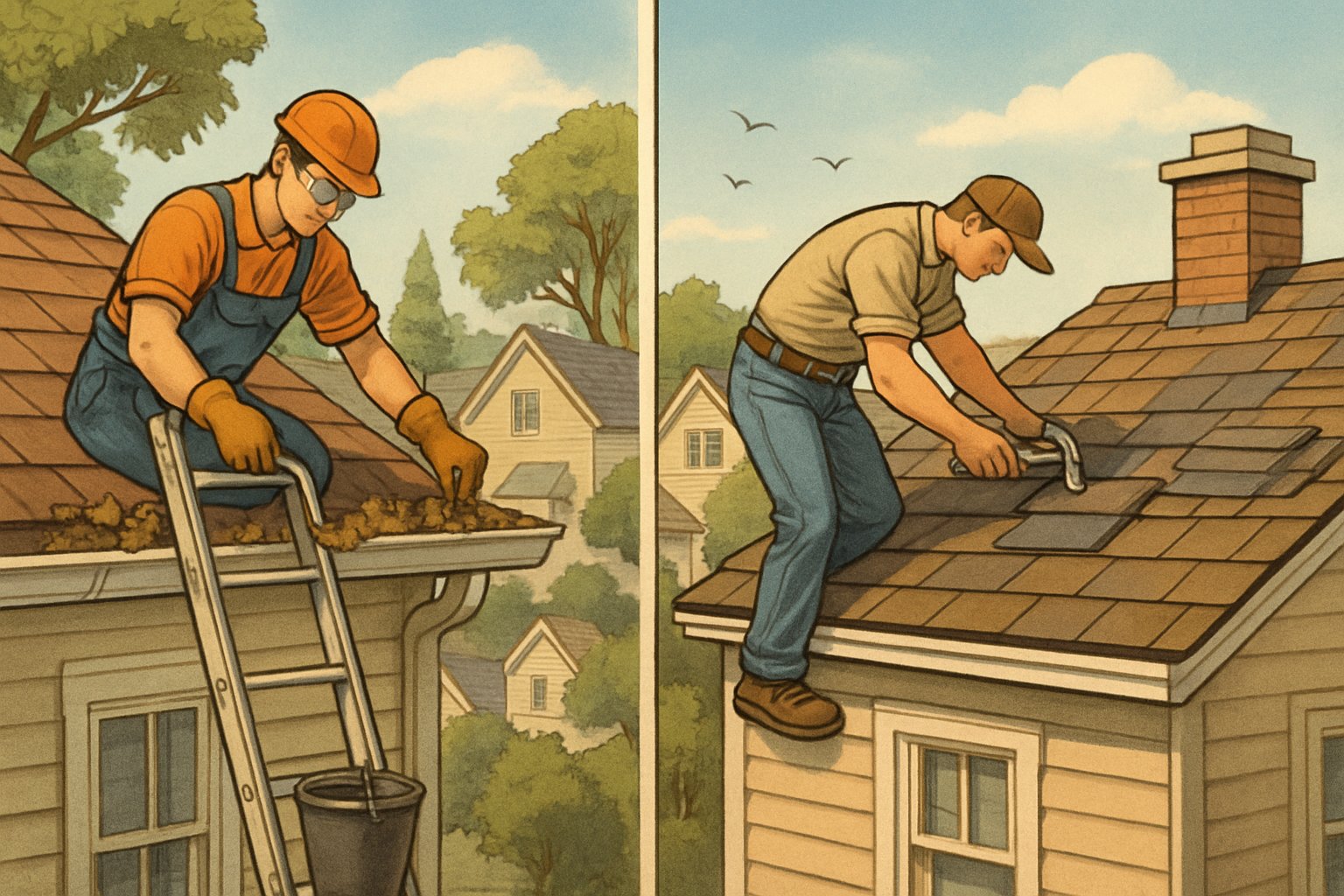
Small town advantages make this side hustle even more attractive. Word travels fast in tight-knit communities, so one satisfied customer can lead to dozens more. Property owners also prefer hiring local workers they know and trust rather than calling big companies from nearby cities.
This guide covers everything needed to start and grow a successful gutter and roof cleaning business in a small town. From calculating startup costs to finding the first customers, readers will learn practical strategies that work in communities where everyone knows each other and reputation matters most.
What Is Gutter Cleaning and Roof Work Side Hustles in Small Towns
A gutter cleaning side hustle involves removing leaves, debris, and blockages from home gutters for payment. This gutter cleaning service works well in small towns where homeowners need help but few companies offer the work.
Small town residents often own older homes with large trees nearby. These properties need gutter maintenance every few months to prevent water damage.
Basic gutter cleaning tasks include:
- Removing leaves and twigs from gutters
- Checking for clogs in downspouts
- Flushing gutters with water
- Looking for damage or loose parts
The gutter cleaning business model is simple in small towns. Workers charge between $150-$300 per house depending on size and difficulty.
Many small town entrepreneurs start this work part-time. They clean gutters on weekends or after their main job. Word spreads quickly in small communities when someone does good work.
Essential equipment needed:
- Sturdy ladder
- Work gloves and safety glasses
- Gutter scoop or small shovel
- Garden hose
- Buckets for debris
Small towns like Millville or Cedar Falls often have 2,000-5,000 homes. Even cleaning just 10 houses per month creates steady income.
The gutter cleaning industry stays busy year-round in small towns. Spring brings flowering trees and summer storms. Fall means constant leaf removal.
Most small town gutter cleaners earn $25-$50 per hour. They build repeat customers who call twice yearly for regular gutter maintenance services.
Why Gutter Cleaning and Roof Work Side Hustles in Small Towns Works
Small towns create perfect conditions for gutter cleaning and roof work side hustles. Many homeowners struggle to find reliable services for basic home maintenance tasks.
Local contractors often focus on bigger jobs. This leaves a gap for simple gutter cleaning and roof maintenance work.
Strong Demand with Less Competition
Small towns typically have fewer service providers. One person can quickly become the go-to expert for gutter cleaning in their area.
Most small town residents know each other. Word-of-mouth spreads fast when someone does good work.
Low Startup Investment Required
Starting this profitable side hustle needs minimal equipment. A ladder, leaf blower, and basic tools cost under $500 total.
Low startup costs make this accessible to almost anyone. No special licenses or training are required in most areas.
Quick Money Potential
Jobs typically pay $200 to $600 per house. Most homes can be completed in 2-4 hours.
Even part-time work can generate $2,000 to $4,000 monthly. Full-time workers often earn much more.
Practical Small Town Advantages
| Advantage | Benefit |
|---|---|
| Close driving distances | More jobs per day |
| Repeat customers | Steady income |
| Personal relationships | Trust and referrals |
Small town customers value personal service. They often become loyal clients who call twice yearly for regular cleaning.
The seasonal nature works well too. Fall and spring are busy months when gutters need the most attention.
Startup Costs and Basic Requirements
Starting a gutter cleaning side hustle in small towns requires minimal investment compared to other businesses. Most entrepreneurs can begin with $2,000 to $4,000 in startup costs.
Essential Equipment Needed:
- Sturdy ladder (minimum 24-foot extension ladder): $200-$400
- Gutter scoop and hand tools: $30-$50
- Garden hose with spray nozzle: $50-$75
- Work gloves and safety goggles: $25-$40
- Non-slip footwear: $80-$120
Optional but Valuable Tools:
- Pressure washer: $300-$600
- Leaf blower for debris removal: $150-$300
- Backup gutter scoops: $20-$30
Safety gear is non-negotiable when working at heights. Many small town customers appreciate seeing proper equipment and professional appearance.
A reliable vehicle capable of transporting ladders is essential. Most pickup trucks or vans work well for equipment transport.
Business Setup Costs:
- Business license: $50-$150
- Basic liability insurance: $500-$800 annually
- Simple website or business cards: $200-$500
In small towns like Millerville, Minnesota, one entrepreneur started with just a ladder, garden hose, and gutter scoop for under $300. He gradually added pressure washing services as the business grew.
Most small town gutter cleaners charge $100-$200 per house, making it possible to recover startup costs within the first month of regular work. The low barrier to entry makes this an attractive option for rural entrepreneurs.
How to Get Customers in a Small Town
Getting customers in a small town requires a mix of old-school methods and modern tactics. Word-of-mouth spreads fast in tight-knit communities, making quality work essential.
Door-to-door flyers work well in small towns where people still check their mailboxes. Create simple flyers with your services, phone number, and a special discount for first-time customers.
Build an online presence even in small markets. Set up a Google My Business listing and claim your Yelp profile. Many homeowners search online first, even in rural areas.
Business cards are crucial for small town networking. Keep them handy at the hardware store, coffee shop, or local events. People often ask neighbors for service recommendations.
Your target market includes busy families, elderly homeowners, and rental property owners. Focus on neighborhoods with older homes that need regular maintenance.
Try these local advertising methods:
- Place ads in the weekly newspaper
- Post on community Facebook groups
- Leave cards at real estate offices
- Network with local contractors
Partner with related businesses like roofing companies or landscapers. They often get calls for gutter work and can refer customers your way.
Timing matters in small towns. Advertise heavily in spring and fall when homeowners think about gutter cleaning. Offer winter roof inspections when competition is low.
Be visible around town in a clean truck with your business name. Small town residents notice who’s working in their neighborhoods and often ask for estimates on the spot.
Challenges and Things to Watch Out For
Safety is the biggest concern when working on roofs and gutters. Workers can slip on wet surfaces or fall from ladders. Some old roofs are too slippery to walk on safely.
Liability insurance is essential for this type of work. One accident could cost thousands of dollars. Most small town customers will ask about insurance before hiring anyone.
Weather creates major challenges in this business. Rain makes roofs dangerous to work on. Snow and ice shut down operations completely.
| Common Risks | Prevention Tips |
|---|---|
| Falls from ladders | Use proper safety gear and rope |
| Roof damage | Inspect before walking on surfaces |
| Chemical exposure | Wear gloves and eye protection |
Clogged gutters can hide structural problems. Workers might find rotted wood or loose fasteners that need immediate attention. This creates liability if not handled properly.
Small towns have limited customer bases. A bad reputation spreads quickly through word of mouth. One unhappy customer can hurt the entire business.
Competition from established handymen is common in small towns. These workers often offer window cleaning and other services alongside gutter work. New businesses need to find ways to stand out.
Equipment costs add up quickly. Ladders, safety gear, and cleaning supplies require upfront investment. Workers also need reliable transportation to reach rural properties.
Some customers try to negotiate prices down in small towns. Workers must stick to fair pricing to stay profitable while building relationships with local homeowners.
Tips to Maximize Success
Build a solid business plan early. This plan should include your target customers, pricing, and goals for the first year. Small town entrepreneurs who plan ahead often earn 30% more than those who don’t.
Create maintenance contracts with regular customers. These agreements guarantee work throughout the year. Many small town gutter cleaners earn $500-$1,000 monthly from just five contract customers.
Start with friends and family to build your reputation. Word travels fast in small towns. One satisfied customer often leads to three new referrals within weeks.
Offer services during peak demand seasons. Fall and spring are busy times when homeowners need gutters cleaned most. Smart business owners book these months in advance.
Take before and after photos of every job. These pictures prove your work quality and help with marketing. Post them on social media to attract new customers.
Bundle services together to increase earnings. Combine gutter cleaning with window washing or power washing. This approach can double your income per visit.
Set up a simple booking system. Use free tools like Google Calendar or basic scheduling apps. Make it easy for customers to hire you.
Network with local businesses. Talk to hardware stores, real estate agents, and contractors. They often refer customers who need gutter work.
Always arrive on time and dress professionally. Small town reputation matters more than in big cities. Being reliable builds trust quickly.
Invest in quality tools from the start. Good ladders and safety equipment prevent accidents and make work faster. Professional tools also impress customers.
Why Gutter Cleaning and Roof Work Side Hustles in Small Towns Will Stay Relevant
Small town homes need regular maintenance just like city properties. Weather damage happens everywhere, making these services essential year-round.
Many small towns have older homes that require more frequent gutter and roof care. These houses often have mature trees nearby that drop leaves and debris constantly.
Limited competition exists in smaller communities compared to big cities. Most towns have only one or two established services, leaving room for new side hustlers.
Rural areas face unique challenges that keep demand high:
- Heavy rainfall and snow loads
- More trees per property
- Longer distances between service providers
- Higher DIY injury risks for homeowners
Small town residents often prefer local workers they can trust. Word-of-mouth referrals spread quickly in tight communities, building steady customer bases.
The aging population in many small towns creates ongoing demand. Older homeowners cannot safely climb ladders or do roof work themselves.
Seasonal patterns make this work predictable. Fall brings leaf cleanup, winter shows ice damage, and spring reveals problems from harsh weather.
Small town economies rely on local spending. Homeowners prefer hiring neighbors over distant companies, keeping money in the community.
Technology makes marketing easier than ever. Facebook ads and local online groups help side hustlers reach customers without expensive advertising.
The basic need for home maintenance never goes away. As long as houses have gutters and roofs, these services will remain relevant in small towns.
Conclusion
Gutter cleaning and roof work offer solid earning potential in small towns. These side hustles require minimal startup costs and basic equipment.
Key advantages include:
- Low competition in rural areas
- Strong word-of-mouth marketing
- Repeat customers every season
- Flexible scheduling options
Small town entrepreneurs can charge $150-400 per job depending on home size. Building relationships with local hardware stores and property managers creates steady referrals.
Safety training and proper insurance protect both workers and customers. Starting with basic gutter cleaning allows beginners to learn skills before expanding to roof repairs.
Success factors:
- Reliable service delivery
- Fair pricing for local market
- Professional appearance
- Quick response times
Towns like Woodinville, Washington show how gutter services can grow from side hustles into million-dollar businesses. Local contractors often expand services to include window cleaning and roof maintenance.
Weather dependency affects scheduling, but seasonal patterns help predict busy periods. Fall and spring generate the most demand for gutter cleaning services.
Building a customer base takes time. Starting part-time allows entrepreneurs to test the market while keeping other income sources.
Small towns reward consistent, quality service with loyal customers. Property owners value local businesses they can trust with home maintenance needs.
The combination of steady demand and growth potential makes these side hustles worth considering for motivated individuals.
Frequently Asked Questions
Starting a gutter cleaning side hustle in small towns involves specific costs, equipment needs, and marketing approaches. These common questions address the practical aspects of launching and maintaining this type of business.
What are the initial startup costs for launching a gutter cleaning side hustle?
The startup costs for a gutter cleaning business remain minimal. Most people can begin with $500 to $1,500 in basic equipment.
A sturdy ladder represents the largest expense, typically costing $200 to $400. A ladder stabilizer adds another $50 to $100 for safety purposes.
Basic tools include buckets for debris removal, tarps for ground protection, and rubber gloves. These items cost between $100 to $200 total.
Transportation costs depend on existing vehicle access. Most standard cars or trucks can transport the necessary equipment without modifications.
Business insurance adds $300 to $600 annually depending on coverage levels. Small town operators often start with basic liability coverage before expanding.
How profitable are small-town gutter cleaning and roof work businesses?
Small town gutter cleaning services charge $100 to $300 per job depending on house size. Single-story homes typically start at $100, while multi-story properties command higher rates.
Experienced cleaners complete most residential jobs within 1 to 3 hours. This creates earning potential of $50 to $150 per hour once efficiency improves.
Small towns offer advantages like lower competition and closer customer relationships. Word-of-mouth referrals spread faster in tight-knit communities.
Seasonal demand peaks during fall months when leaves clog gutters most frequently. Smart operators build customer lists for repeat spring and fall cleanings.
Part-time operators completing 4 to 8 jobs monthly can earn $800 to $2,000 in additional income. Full-time focus increases earning potential significantly.
What essential equipment is needed to start a gutter cleaning service?
A reliable ladder serves as the most critical piece of equipment. Extension ladders reaching 20 to 24 feet handle most residential properties in small towns.
Ladder stabilizers prevent damage to gutters and improve safety during cleaning. These attachments cost $50 to $100 but prove essential for professional work.
Debris removal tools include plastic scoops, buckets, and heavy-duty trash bags. These items help efficiently collect leaves, twigs, and sediment from gutters.
Garden hoses with spray nozzles flush remaining debris after manual cleaning. Pressure washers offer faster cleaning but require higher initial investment.
Safety equipment includes non-slip shoes, work gloves, and eye protection. Small town operators often add knee pads for comfort during extended jobs.
What strategies can be employed to market a gutter cleaning business in a small town?
Door-to-door canvassing works effectively in small towns where residents expect personal service. Target neighborhoods with older homes and mature trees during peak seasons.
Local Facebook groups and community bulletin boards provide free advertising opportunities. Small town residents frequently share service recommendations through these channels.
Partnering with local hardware stores creates referral opportunities. Many store owners gladly recommend reliable service providers to customers asking for help.
Seasonal flyers placed on car windshields in grocery store parking lots reach homeowners directly. Focus distribution during early fall when gutter cleaning becomes priority.
Building relationships with local real estate agents generates steady referrals. Agents often need reliable contractors for property maintenance before sales.
Can gutter cleaning and roof work services provide consistent income as a side hustle?
Gutter cleaning provides seasonal consistency with peak demand during fall and spring months. Smart operators build customer lists for regular maintenance schedules.
Small town customers often request additional services like window cleaning or pressure washing. These add-on services increase job values and customer loyalty.
Repeat customers form the backbone of successful operations. Annual or bi-annual cleaning contracts provide predictable income streams.
Weather delays can impact scheduling, particularly during winter months in northern climates. Operators should plan for income fluctuations during off-seasons.
Emergency calls for clogged gutters after storms provide additional income opportunities. Small town operators who respond quickly build strong reputations.
What are the potential risks involved in starting a gutter and roof work side hustle?
Working at heights creates the primary safety risk in gutter cleaning operations. Proper ladder placement and safety equipment reduce accident potential significantly.
Liability concerns arise from potential property damage or personal injury. Business insurance protects operators from costly lawsuits and damage claims.
Weather conditions affect both safety and scheduling. Operators must avoid working during high winds, rain, or icy conditions.
Physical demands include climbing ladders and handling debris for extended periods. People with back problems or fear of heights should consider other side hustles.
Equipment theft presents risks in small towns where tools may be left unattended. Operators should secure equipment properly and consider insurance coverage.