
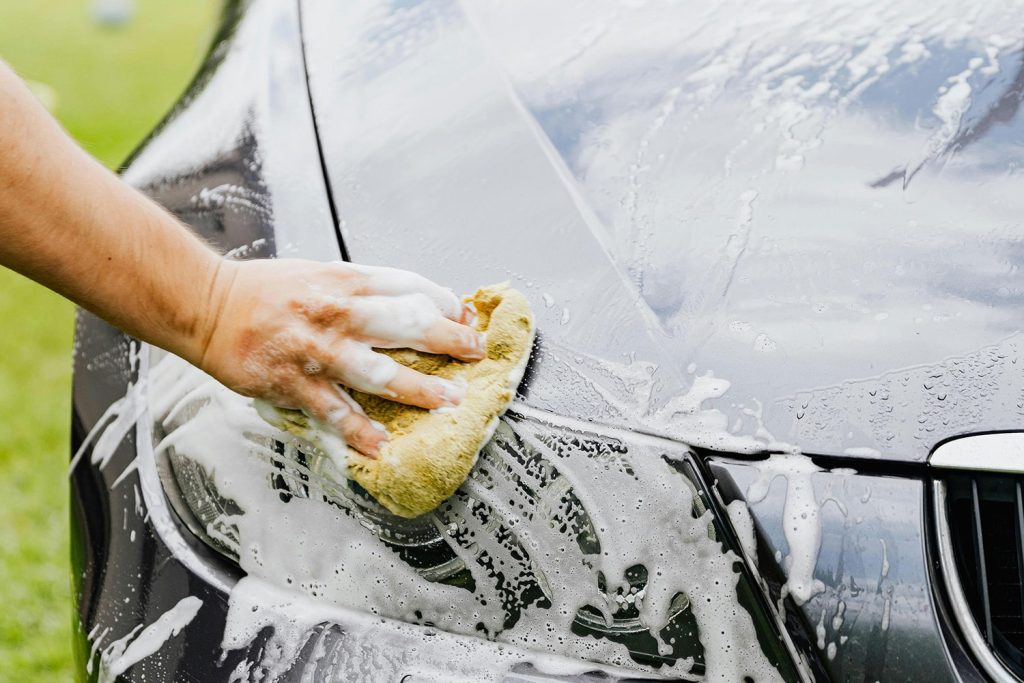
Many people in rural areas and small towns look for ways to earn extra money alongside their regular jobs. Car detailing offers an excellent side hustle opportunity for rural residents because it requires low startup costs, can be done from home, and serves a steady customer base of vehicle owners who want their cars looking their best. Unlike many other side businesses, car detailing doesn’t depend on big city foot traffic or complicated supply chains.
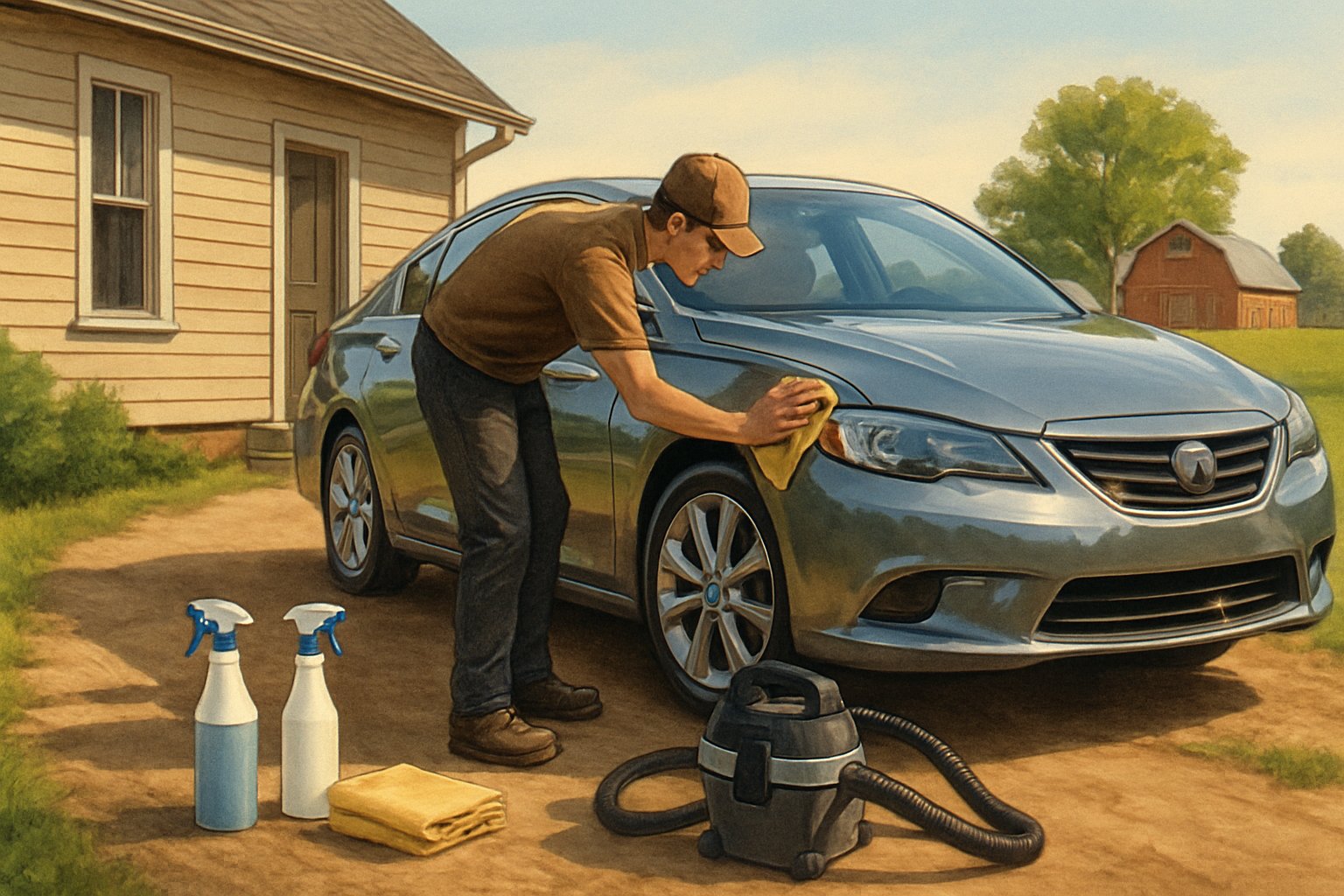
Rural areas actually provide some unique advantages for car detailing services. Farm trucks need regular cleaning after hauling equipment and driving on dusty roads. Small town residents often take pride in their vehicles and appreciate personal service from someone they know and trust. With fewer professional detailing shops competing in rural markets, there’s room for dedicated side hustlers to build a loyal customer base.
This guide covers everything from understanding what car detailing involves to finding your first customers in a small town. You’ll learn about startup costs, common challenges to avoid, and practical tips for building a successful detailing side hustle that fits rural life.
What Is Car Detailing Side Hustles In Rural Areas
Car detailing side hustles in rural areas involve providing vehicle cleaning and restoration services to customers in small towns and countryside locations. These services go beyond basic car washes to include deep cleaning, polishing, and protecting different parts of vehicles.
Rural detailing differs from city services in several key ways. Customers are often spread out over larger distances. Many small town residents prefer the convenience of mobile services that come to their homes or farms.
Common rural detailing services include:
• Basic exterior and interior cleaning ($100-$300)
• Headlight restoration ($50-$200)
• Engine bay cleaning ($20-$50)
• Trim restoration ($50-$200)
• Iron removal from wheels ($20-$100)
Mobile detailing works well in rural areas where people value convenience. A detailer might serve customers within a 30-mile radius of their base location. This approach works in areas like farming communities where truck owners need regular cleaning services.
Startup costs remain low for most rural detailing businesses. Basic services can start with less than $500 in equipment and supplies. Essential items include cleaning products, microfiber towels, brushes, and a portable water source.
Rural customers often own trucks, farm equipment, and recreational vehicles that need specialized cleaning. Farmers and ranchers represent steady customers who understand the value of maintaining their vehicles. Weekend warriors with ATVs and boats also create regular income opportunities.
The key advantage is less competition compared to urban markets while serving customers who appreciate quality work.
Why Car Detailing Side Hustles In Rural Areas Works In Small Towns
Car detailing thrives in small towns because of limited competition and steady demand. Most rural areas have few professional detailing services. This creates a perfect opportunity for new business owners.
Small town residents often drive longer distances for work and errands. Their vehicles get dirtier from gravel roads and farm dust. This means cars need cleaning more often than city vehicles.
Mobile detailing works especially well in rural areas. People in small towns value convenience and personal service. They appreciate having someone come to their home or workplace.
Rural customers tend to build loyal relationships with local service providers. Once a detailer proves their quality work, customers often become repeat clients. They also recommend the service to neighbors and friends.
| Small Town Advantage | Why It Helps |
|---|---|
| Less competition | More customers available |
| Personal relationships | Steady repeat business |
| Longer commutes | Dirtier cars need more cleaning |
| Mobile service demand | Customers pay for convenience |
Many rural residents own multiple vehicles like trucks, ATVs, and farm equipment. This gives detailers more earning opportunities per customer. A farmer might need their work truck, personal car, and tractor cleaned regularly.
Word-of-mouth advertising spreads quickly in small communities. One satisfied customer can lead to many new clients. This natural marketing system helps detailing businesses grow without expensive advertising costs.
Rural areas often have higher disposable income from farming, ranching, or remote work. These customers can afford regular detailing services and premium packages.
Startup Costs And Basic Requirements
Starting a car detailing side hustle in rural areas requires minimal upfront investment. Most beginners can launch their business with $500 to $1,500 in basic equipment and supplies.
Essential Equipment List:
- Two 5-gallon buckets ($20-30)
- Wash mitts and microfiber towels ($50-75)
- Car shampoo and basic cleaning products ($75-100)
- Vacuum cleaner ($100-200)
- Basic polisher ($150-300)
Rural entrepreneurs have two main setup options. A mobile operation requires only a reliable vehicle and portable equipment. This eliminates rent costs and allows service delivery to customers’ homes.
Fixed locations work well in small towns with high foot traffic. A simple garage or car port can serve as a basic facility.
Vehicle Requirements:
- Reliable transportation
- Space for equipment storage
- Optional: trailer for larger setups ($2,000-5,000)
Many rural detailers start by serving neighbors and local farmers. Farm equipment cleaning often pays premium rates of $200-500 per job.
Business registration costs vary by state but typically range from $50-200. Rural areas often have simpler licensing requirements than urban locations.
Insurance needs include general liability coverage. Rural policies may cost less due to lower risk factors.
Monthly Operating Costs:
- Supplies: $100-300
- Fuel: $50-150
- Insurance: $75-150
- Phone/marketing: $25-75
Small town detailers often succeed by specializing in services unavailable locally. Examples include headlight restoration, engine bay cleaning, or seasonal services like salt removal.
How To Get Customers In A Small Town
Getting customers in small towns requires a different approach than in big cities. The key is using personal connections and local networks.
Start with family and friends who live nearby. Ask them to spread the word about your car detailing service. Small towns rely heavily on word-of-mouth recommendations.
Visit local businesses like gas stations, auto repair shops, and car dealerships. Leave business cards and ask if you can put up a small flyer. Many shop owners will help local entrepreneurs.
Join community groups such as church organizations, volunteer fire departments, or local clubs. People trust business owners they know personally.
Target specific customers who need regular detailing:
- Real estate agents who drive clients around
- Small business owners with company vehicles
- Farmers with work trucks
- Families with multiple cars
Use social media to reach locals. Post before and after photos on Facebook community pages. Many rural residents use Facebook to find local services.
Offer seasonal promotions that match small town life. Detail farm trucks after harvest season or family cars before graduation ceremonies.
Park your clean vehicle at the local diner or grocery store. A spotless truck or car acts as free advertising when people see your business name on it.
Partner with other local businesses. Auto parts stores or tire shops might refer customers to you. Offer them a small commission for successful referrals.
Be visible at community events like farmers markets, town festivals, or high school football games. Bring business cards and talk to people about your services.
Challenges And Things To Watch Out For
Limited customer base poses the biggest challenge in rural areas. Small towns may only have 2,000-5,000 residents, which means fewer potential clients than urban markets.
Seasonal income fluctuations can hurt profits. Winter months in farming communities like Nebraska or Iowa often see 40-60% drops in detailing demand.
Travel distances between customers increase costs significantly. A detailer in rural Montana might drive 20-30 miles between jobs, eating into profits through fuel and time expenses.
Competition from DIY culture runs strong in small towns. Many rural residents prefer washing their own vehicles, especially farmers and ranchers who view it as routine maintenance.
Equipment storage becomes tricky without commercial space. Home-based operators need garage space for supplies, which may conflict with family vehicle storage needs.
Water access limitations affect mobile operations. Some rural properties rely on well water or have low water pressure that makes thorough rinsing difficult.
Income variability follows agricultural cycles. Farming communities have flush periods after harvest and tight periods during planting season.
Marketing challenges include limited digital reach. Rural areas often have spotty internet coverage, making online advertising less effective than word-of-mouth referrals.
Weather dependency hits harder in rural areas. A detailer in rural Kansas may lose entire weeks during tornado season or winter storms.
Supply chain delays for products and equipment can last longer. Rural locations typically receive deliveries 1-3 days later than urban areas.
Tips To Maximize Success
Research local competition before starting. Rural areas often have fewer detailing services, creating better opportunities for new businesses.
Start with basic services like washing, waxing, and interior cleaning. These require less equipment and lower startup costs than specialty services.
Build relationships with local businesses. Farm equipment dealers, car lots, and trucking companies need regular cleaning services. A detailer in small-town Montana partnered with three local dealerships for steady monthly work.
Use social media effectively. Post before and after photos on Facebook groups for the local community. Rural customers often rely on word-of-mouth and online reviews.
Offer mobile services to reach customers. Many rural clients prefer having their vehicles detailed at home or work rather than driving long distances.
Price competitively but fairly. Rural customers may have different budgets than urban clients. Research what similar services cost in nearby towns.
Invest in quality tools and products to deliver professional results. Poor work damages reputation quickly in small communities where everyone knows each other.
Schedule efficiently by grouping appointments in the same area. This saves time and fuel costs when traveling between rural locations.
Focus on customer service to build loyalty. Happy customers become repeat clients and refer friends and family members.
Keep detailed records of income and expenses. This helps track profitability and prepares for tax reporting requirements.
Why Car Detailing Side Hustles In Rural Areas Will Stay Relevant
Rural car detailing businesses will remain strong because cars need constant care regardless of location. Farm dust, gravel roads, and harsh weather create ongoing demand for cleaning services.
Small towns like Farmington, Iowa show this trend. Local detailers stay busy year-round cleaning work trucks and family cars that face tough conditions daily.
Limited competition gives rural detailers clear advantages. Most small towns have only one or two car wash options. This creates steady customer bases for mobile services.
Rural vehicle owners often drive longer distances to reach services. Mobile detailing saves them time and gas money. They pay premium prices for convenience.
| Rural Advantage | Urban Challenge |
|---|---|
| Less competition | Oversaturated market |
| Loyal customers | High turnover |
| Lower overhead costs | Expensive permits |
Agricultural communities rely heavily on vehicles for work and daily life. Farmers need clean trucks for business meetings. Families want spotless cars for church and events.
Rural areas see steady population growth as people leave cities. New residents bring higher incomes and expect quality services. This trend creates fresh opportunities for detailing businesses.
Practical tip: Partner with local auto dealers in small towns. They need regular cleaning for their lot vehicles and can refer customers.
Weather patterns in rural areas create seasonal demand spikes. Spring cleaning after winter salt removes builds strong revenue periods. Summer dust and fall mud extend busy seasons.
Conclusion
Car detailing offers rural entrepreneurs a practical path to extra income. The business requires minimal startup costs and can grow at your own pace.
Key advantages for rural areas:
- Lower competition than cities
- Strong word-of-mouth networks
- Flexible scheduling around farm seasons
- Mobile services work well for spread-out customers
Rural detailers can earn $50-150 per vehicle depending on services offered. Towns like Smallville, Kansas or Cedar Falls, Iowa provide perfect markets for this business.
Essential success factors:
- Quality tools and supplies
- Professional training or practice
- Insurance coverage
- Social media presence
- Customer referral programs
Start small with basic wash and wax services. Add specialty services like headlight restoration or ceramic coating as skills develop.
Mobile detailing works especially well in rural areas. Customers appreciate the convenience of on-site service at their farms or businesses.
Build relationships with local auto dealers, repair shops, and farming equipment dealers. These partnerships provide steady referral sources.
Marketing strategies that work:
- Facebook business page
- Local newspaper ads
- Community bulletin boards
- County fair booths
- Referral incentives
The business can operate year-round in most climates. Winter months offer interior detailing and salt removal services.
Rural car detailing combines low overhead with growing demand. Success depends on consistent quality work and building trust within the community.
Frequently Asked Questions
Starting a mobile car detailing side hustle in rural areas brings unique considerations around equipment, pricing, and local regulations. These questions address the practical challenges rural entrepreneurs face when building their detailing business.
What startup equipment is needed for a mobile car detailing side hustle?
A mobile car detailing operation requires portable equipment that works without permanent water or power connections. Essential items include two 5-gallon buckets, car soap, microfiber towels, and a shop vacuum that plugs into car outlets.
Water storage tanks ranging from 40-100 gallons allow detailers to work at customer locations. A portable pressure washer and generator provide the power needed for thorough cleaning in remote areas.
Basic supplies like glass cleaner, tire shine, wax, and various brushes complete the starter kit. Most rural detailers begin with equipment costing $800-$1,500 total.
A reliable truck or trailer is crucial for transporting water tanks and equipment to farms and rural homes. Many successful rural detailers use pickup trucks with bed-mounted water systems.
What strategies can be effective for attracting customers to a car detailing side hustle in a rural area?
Word-of-mouth marketing works exceptionally well in small communities where everyone knows each other. Offering the first detail at a discount helps build initial customer relationships and generates referrals.
Partnering with local businesses like feed stores, auto repair shops, and farm equipment dealers creates referral opportunities. Many rural customers discover detailing services through bulletin boards at these locations.
Social media posts showing before-and-after photos of local vehicles attract attention in rural Facebook groups. Targeting farmers during busy seasons when their trucks get extra dirty increases booking success.
Setting up at county fairs, farmer’s markets, or livestock auctions puts detailers directly in front of potential customers. These events let rural residents see the quality of work firsthand.
How can one price car detailing services to remain competitive yet profitable in rural markets?
Rural pricing typically runs lower than urban markets due to different income levels and expectations. Basic exterior and interior packages often range from $75-$125 in small towns.
Travel fees help offset the longer distances between rural customers. Charging $10-$20 extra for locations more than 15 miles away keeps the service profitable.
Package deals work well for farmers with multiple vehicles. Offering discounts for detailing three or more vehicles at once increases the job value while saving travel time.
Seasonal pricing adjustments account for busy farm periods when customers pay premium rates for convenience. Spring cleaning and harvest season often support higher prices.
What are the legal requirements for running a mobile car detailing business in a rural area?
Most rural counties require basic business licenses for mobile services, typically costing $50-$200 annually. Small town clerks usually handle these applications and provide guidance on local requirements.
Liability insurance protects against potential damage to customer vehicles or property. Rural insurance agents often recommend $1-2 million coverage for mobile service businesses.
Water discharge regulations vary by county, with some areas restricting where wash water can drain. Many rural detailers use eco-friendly soaps and collect rinse water to avoid violations.
Sales tax permits are necessary in states that tax services. Rural business owners often register online through state revenue departments for these permits.
How does weather and seasonal change in rural areas affect mobile car detailing side hustles?
Winter months significantly reduce demand in northern rural areas where road salt and cold temperatures make outdoor detailing difficult. Many detailers shift to indoor services or take seasonal breaks.
Spring brings peak demand as farmers and rural residents want winter grime removed from their vehicles. This season often generates 40-50% of annual revenue for rural detailers.
Summer heat makes midday work challenging, pushing most jobs to early morning or evening hours. Rural detailers often start at 7 AM to beat afternoon temperatures.
Harvest season creates opportunities for cleaning farm equipment and work trucks that get heavy use. Corn and soybean harvest periods generate consistent bookings in agricultural areas.
What are the potential income and expenses involved in running a mobile car detailing side hustle?
Rural detailers typically earn $40-$80 per hour depending on service complexity and local market conditions. Part-time operations often generate $500-$1,500 monthly working weekends and evenings.
Fuel costs represent a major expense due to travel between rural customers. Budget $100-$200 monthly for gas when serving customers within a 30-mile radius.
Supply costs including soap, wax, and cleaning products typically run $50-$100 monthly for part-time operations. Buying supplies in bulk reduces per-job material costs.
Equipment maintenance and replacement create ongoing expenses of $100-$300 monthly. Pressure washers and vacuums need regular servicing to handle rural conditions and heavy use.