
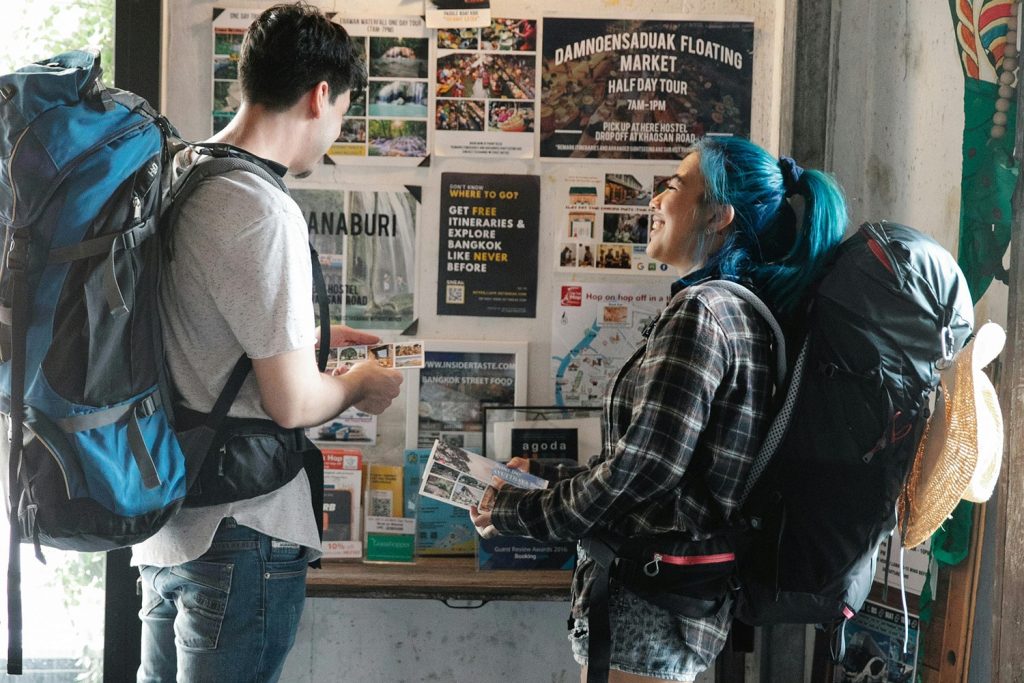
Many people in small towns turn to side hustles to earn extra income or build a local business. In close-knit communities, word of mouth and personal connections matter a lot. Using simple tools like flyers and community bulletin boards can help these hustlers reach their neighbors quickly and effectively.
Flyers and local boards offer a direct way to share clear, targeted messages with potential customers right where they live and gather. For example, a homemade bakery might leave flyers at the town’s grocery store or post on the community board at the library. This approach helps locals discover new services without relying on expensive or complex marketing methods.
By understanding the local vibe and placing flyers in busy spots like cafes, post offices, or school notice boards, small-town entrepreneurs can build trust and grow their customer base. Smart designs and clear offers on flyers, combined with regular updates on bulletin boards, can make side hustles stand out in tight communities.
What Is How to Use Flyers and Local Boards for Small Town Hustles
Using flyers and local boards is a simple way to promote small businesses in towns where word of mouth and community connections matter. Flyers are printed sheets with key information about a product, service, or event. They provide a direct and personal way to reach neighbors.
Local boards are community spaces found in places like laundromats, gyms, churches, and small restaurants. These boards let businesses post flyers or cards where many people see them daily.
Small town businesses often rely on tailored messages. For example, a bakery might hand out flyers near a school with a special discount for parents. Flyers can be made clear and eye-catching with a bold headline, a brief description, and a call to action, like “Visit us today!”
Flyers and local boards help businesses reach the right audience. In a town, this might mean focusing on families, seniors, or workers nearby. He or she can leave flyers at places with steady foot traffic, such as:
- Community centers
- Local events
- Grocery stores
This method works because it feels personal and shows the business cares about its neighbors. Using flyers with local boards allows a small town hustle to build trust and grow by connecting in everyday places.
Why How to Use Flyers and Local Boards for Small Town Hustles Works in Small Towns
Flyers and community bulletin boards work well in small towns because people value local connections and trust face-to-face communication. Small business owners can reach a tight-knit audience by placing flyers where locals often visit, such as grocery stores, libraries, and town halls.
Flyers are simple and affordable, making them a good fit for small budgets. Their physical presence helps grab attention, especially when designs are clear and include a strong call-to-action. For example, a bakery might offer a discount coupon on a flyer left at the community center to attract nearby customers.
Local bulletin boards serve as central spots where residents check for news, services, and events. Posting on these boards helps businesses show they are part of the community. A landscaper, for example, can post seasonal service offers on the board by the post office, catching the eye of homeowners.
Small business owners can boost impact by tailoring flyers to the town’s unique culture or season. Flyers focusing on local holidays or fairs feel more relevant and encourage people to respond. Using bright colors and simple messages works best since many readers only glance quickly.
Practical tips:
- Place flyers near busy local spots like cafés and markets.
- Use community boards that attract diverse groups.
- Include clear contact info and a simple offer.
- Refresh flyers regularly to keep content fresh and visible.
Startup Costs and Basic Requirements
Starting a flyer and local board hustle in a small town usually requires low upfront costs. The main expenses include printing flyers, securing permission for bulletin board space, and basic supplies like tape or push pins.
Typical startup costs might look like this:
| Expense | Estimated Cost |
|---|---|
| Flyer Printing | $20 to $100 per batch |
| Bulletin Board Fees | Often free or $10+ |
| Supplies (tape, pins) | $5 to $15 |
Many small towns offer free public bulletin boards in places such as grocery stores, libraries, or community centers. It is important to ask for permission before posting flyers to avoid fines or removal.
A practical tip is to start with simple, frequent flyer runs targeting local businesses, events, or services. This keeps costs manageable and builds relationships.
Some entrepreneurs borrow a basic printer or use local print shops for affordable flyers. Digital templates help reduce design costs, making updating flyers easier and quicker.
Besides materials, time is a key resource. Planning distribution routes and regularly checking local boards can improve efficiency. In small towns, word of mouth and visible flyers work well together to spread information.
Licensing or business registration might not be required for informal hustles, but checking local rules is always recommended to stay compliant. This careful approach helps keep expenses low while building trust in the community.
How to Get Customers in a Small Town
Getting customers in a small town means using both personal connections and smart marketing. Flyers and local boards are great tools to reach people nearby. For example, someone offering online tutoring can post flyers in schools or libraries where parents and students visit often.
When selling handmade crafts, placing flyers at local markets or craft stores helps attract buyers who shop locally. Small, clear flyers with photos of the crafts catch attention quickly.
Services like freelance writing, virtual assistant, or data entry benefit by using local business boards and community centers. They can also include a website or social media handle on their flyers so potential clients can check their work online.
Pet sitters and dog walkers do well by distributing flyers in parks or vet offices. A flyer with a simple schedule, contact info, and a short list of services works best to build trust.
Here’s a quick checklist for effective flyer use in small towns:
| Tip | Why It Works |
|---|---|
| Use bold, clear headlines | Grabs attention quickly |
| Include contact details | Makes reaching out easy |
| Add a call to action | Tells them exactly what to do next |
| Distribute where locals go | Puts your flyer in front of real customers |
Small town customers value honesty and personal service. Flyers with friendly language and local references feel more trustworthy. When combined with word-of-mouth, flyers and local boards create a strong path to finding new customers.
Challenges and Things to Watch Out For
Flyer and local board marketing in small towns can be powerful but comes with some challenges. One common issue is poor targeting. Flyers put in the wrong places waste time and money. For example, a bakery flyer on a bulletin board at a hardware store might not reach hungry customers.
Another challenge is design and messaging. Flyers that look cluttered or confusing won’t catch attention. In a small town, clear and simple messages work best. They should highlight offers directly, like “Fresh bread every morning” for a bakery.
Frequency and follow-up also matter. One flyer drop may not be enough in tight-knit communities. People need to see the message multiple times to remember it. A local coffee shop might try dropping flyers before events and follow up with social media posts.
Sometimes, people see flyers as wasteful or annoying. Using eco-friendly materials or adding a note about sustainability can help here. In towns where people care about the environment, this builds goodwill.
Finally, local laws about flyer posting and distribution must be followed. Some towns have strict rules. Ignoring them can lead to fines or hurt a business’s reputation. Partnering with local community centers or businesses can ensure flyers are displayed legally and respectfully.
Tips to Maximize Success
To get the most from flyers and local boards, businesses should focus on clear, simple messages. Using bold headlines and easy-to-read fonts helps catch attention quickly. In a small town, a flyer with a bright offer like “10% off this week” works well.
Placement matters a lot. Flyers posted on community boards in grocery stores, coffee shops, or libraries reach local people who visit often. Asking for permission before posting shows respect and keeps the business trusted.
Tracking results is key for smart marketing. Using unique phone numbers or simple URLs on flyers helps see which areas respond best. For example, a handyman in a small town can track calls from different neighborhoods to know where to focus next.
Local offers strengthen flyer impact. Adding small deals or referral bonuses, like “Refer a friend and get $5 off,” encourages people to share the flyer with neighbors. This works well when the business recently completed a job nearby.
It’s helpful to link offline and online marketing. Sharing flyer images on social media or local Facebook groups increases reach. Running small online ads in the same ZIP code as flyer drops builds brand presence.
Finally, keeping posts and flyers fresh is important. Visiting community boards monthly to update or replace materials avoids clutter. It shows the business is active and ready to serve the community.
Why How to Use Flyers and Local Boards for Small Town Hustles Will Stay Relevant
Flyers and local boards remain valuable tools for small town hustles because they connect directly with the community. In places where people know each other, a flyer on a community board or a door can catch attention better than online ads. This personal touch builds trust and recognition.
Small towns often have busy local spots like grocery stores, libraries, or cafes with bulletin boards. Posting flyers here ensures they get seen by people who live nearby and are interested in local offers or events.
Flyers are low cost and easy to produce. A small business can design and print flyers on a budget and update them quickly if needed. This flexibility is helpful in small towns where things change fast or new shops open regularly.
To make flyers more effective, businesses should:
- Use simple, clear messages with a strong call to action.
- Highlight local deals or events relevant to the neighborhood.
- Include contact info and social media handles.
For example, a coffee shop can post a flyer about happy hour specials on the town’s community board. A handyman can leave flyers door-to-door offering seasonal services like gutter cleaning.
The combination of flyers and local boards works because it taps into the tight social networks typical of small towns. This old-fashioned approach still drives foot traffic and sales by keeping promotion visible and tangible to the right people.
Conclusion
Flyers and local community boards are simple and effective tools for small town businesses to increase visibility. By placing flyers in busy spots like grocery stores, cafes, or local events, a business can reach the right people without spending much.
Using community boards in places like libraries, town halls, or popular local shops adds another layer of exposure. These boards often attract residents looking for events, services, or specials, making them ideal for targeted promotion.
Small businesses should focus on clear, bold messaging with easy-to-read fonts and eye-catching colors. Including a strong call to action, such as “Visit us today” or “Call for a free quote,” encourages immediate response.
Partnering with other local businesses can expand reach. For example, a bakery might share flyers with a nearby café to invite customers to both places, creating a win-win for both.
Tracking results is also useful. Businesses can use unique discount codes or ask customers how they heard about them. This helps to understand which flyer placements work best.
Consistency matters. Regularly updating flyers and refreshing board posts keeps the business top of mind within the community.
In a small town, a personal touch goes a long way. Engaging with locals through these physical marketing methods builds trust and strengthens community ties.