

Many people in small towns look for side hustles to bring in extra money without leaving their community. Garage sale flipping is a practical way to do this because it uses resources already nearby. Instead of spending a lot to start, someone can find items at local sales, clean them up, and sell them for a profit online or around town.
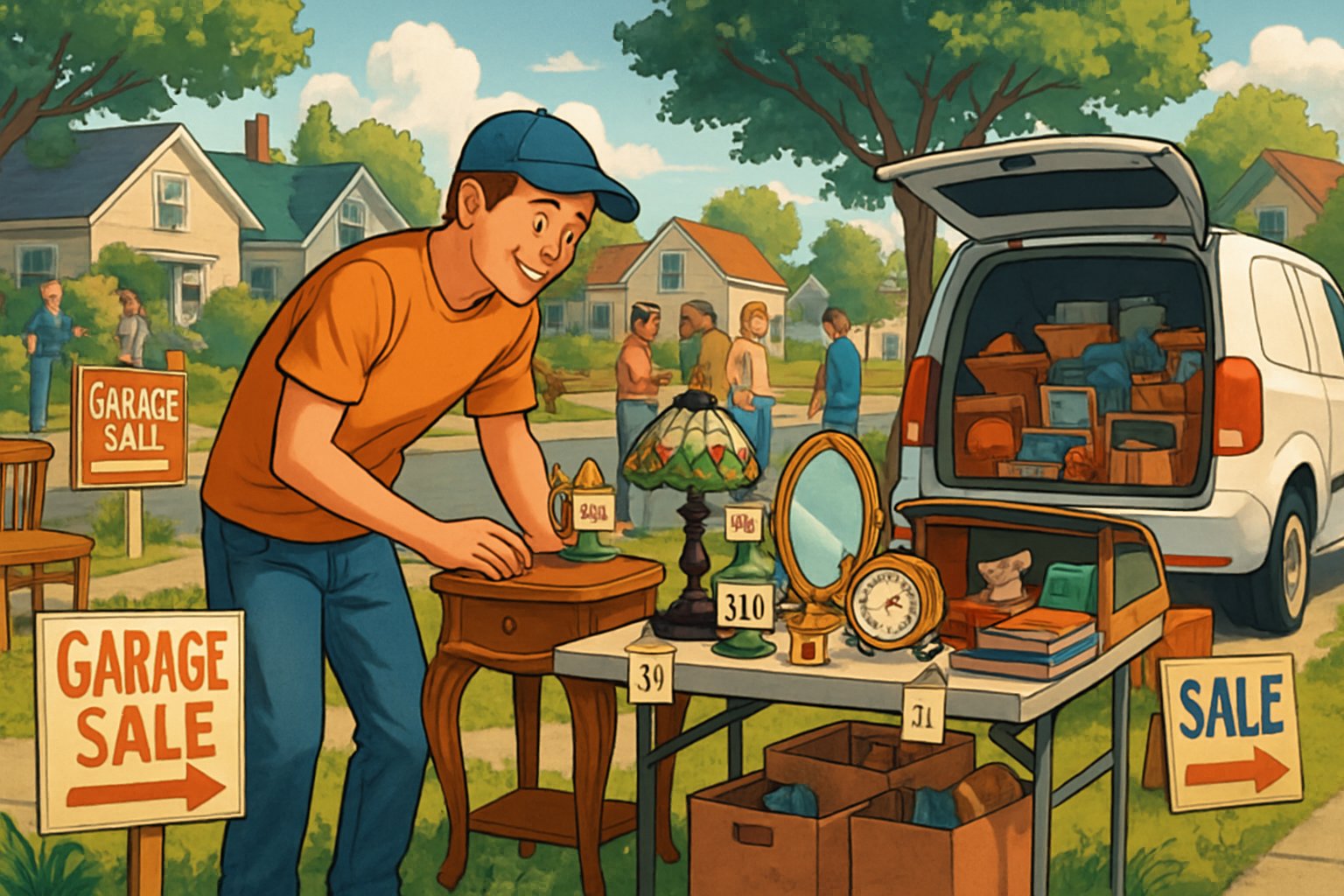
Garage sale flipping works as a small town side hustle because it takes advantage of the unique items people often let go of in less crowded areas, where prices tend to be lower but valuable finds still exist. For example, older furniture, vintage tools, or collectibles can be common in small towns and sell well to buyers elsewhere. Knowing where to look and how to spot these hidden gems is key.
In a small town, the best strategy includes checking local ads, community boards, and driving around on sale days to find hand-written signs. Combining this with online selling platforms like Facebook Marketplace or eBay helps turn these finds quickly into cash. This blend of local hunting and wider selling fits naturally in a small town setting and makes flipping an accessible way to earn extra income.
What Is Garage Sale Flipping as a Small Town Side Hustle?
Garage sale flipping is a side hustle where someone buys items at garage sales or thrift stores and resells them for a profit. In small towns, this can be a steady way to earn extra money because local sales often have lower prices.
Flippers look for valuable or brand-name items, such as electronics, tools, or antiques. They clean, photograph, and list these items online or sell them to local buyers. This process requires time and effort, especially in preparing and shipping items.
In a small town, garage sale flipping may mean building good relationships with neighbors. For example, a flipper might learn about upcoming sales early or get first pick of items. They might also find local buyers more easily through community groups or local markets.
Some practical tips include:
- Start by selling unused items from home to learn the process.
- Focus on brands and products common in your area.
- Use online platforms like Facebook Marketplace, OfferUp, or local classifieds to reach buyers.
Garage sale flipping is not fully passive. It takes work to find deals, list products, and handle sales. But in a small town, it can fit well around a full-time job or family responsibilities. It can also grow with consistent buying and selling habits.
Why Garage Sale Flipping as a Small Town Side Hustle Works in Small Towns
Garage sale flipping fits well in small towns because of limited competition and lower prices on items. People often hold yard sales to clear out belongings, which creates steady chances to find bargains. These sales usually happen on weekends, giving time to scout several in a short span.
Thrift stores and flea markets add more buying options. In small towns, local thrift stores often have negotiable prices, making it easier to get deals. Flea markets may only happen a few times a year but offer unique finds and good chances to practice bargaining.
Small-town sellers often want quick sales, especially in moving or estate sales. This urgency means better chances to negotiate prices down. Buyers arriving early can pick the best items before others. Carrying cash with small bills helps make fast deals without giving sellers a reason to hold firm on prices.
Flipping also works well when resellers clean or lightly fix items. A fresh look can raise an item’s value, standing out when selling in local shops or online groups. Small town sellers can also benefit from focusing on items popular locally, like furniture or collectibles common in the area.
Using a list to track sales and prices nearby helps buyers stay organized. Regularly checking different sales spots keeps inventory fresh. This approach can lead to small but steady profits without needing a computer or online setup.
Startup Costs and Basic Requirements
Starting garage sale flipping requires very little money upfront. Most of the initial costs come from buying items to resell. A beginner in a small town can often start with as little as $20 to $50 to purchase goods at local sales.
Other basic supplies include:
- Cash in small bills for easy bargaining.
- A smartphone for taking photos and listing items online.
- Cleaning supplies like soap, cloths, and Goo Gone to prep items.
- Boxes or bags for transporting goods safely.
Having a reliable way to get around, like a car or bike, helps in hitting multiple sales efficiently. In small towns, planning routes around events like weekend yard sales or community sales can save time and gas money.
There is no need for formal business licenses to start flipping casually, but if selling regularly, it may help to check local rules. Keeping records of purchases and sales is important for tracking profit and handling taxes later.
Investing time to research popular items helps keep costs low. For example, in a small town, vintage toys or brand-name boots might sell well without needing expensive inventory. Starting small and reinvesting profits keeps the business sustainable without large loans or credit.
How to Get Customers in a Small Town
In a small town, building trust is key to attracting customers. People prefer buying from someone they know or who comes recommended. Using Facebook Marketplace is a smart way to reach locals quickly. It allows sellers to post detailed listings with clear photos, making items more attractive.
Cross-posting listings to nearby towns on Facebook Marketplace can widen the audience without losing the local feel. Sellers should respond to messages promptly and politely to build good rapport. Offering free or low-cost delivery can also encourage more buyers, especially for bulky items.
Joining local buy/sell groups on Facebook or community forums helps tap into active buyers. These groups often have fast-moving listings because neighbors trust each other. Posting occasional updates about new items keeps repeat customers interested and coming back.
Simple phrases like “Local seller with quality items” or “Happy to deliver nearby” build rapport. Being friendly and professional, rather than pushy, fits the small-town mindset better. Sellers can also advertise yard sales or pop-up events a day in advance on local Facebook groups to draw more people.
Finally, word of mouth spreads fast in small towns. A good experience leads to recommendations that bring new buyers without extra effort. Keeping records of past customers and offering updates on similar items helps create lasting relationships.
Challenges and Things to Watch Out For
Garage sale flipping in small towns comes with a few challenges. One main issue is overpaying for items. Rare antiques, for example, might look valuable but could be common or damaged. Buyers should research prices beforehand to avoid losing money.
Shipping costs can quickly cut into profits, especially for bulky items. In small towns, using local logistics services or meeting buyers in person can save money and time.
Flippers must also watch for item condition. Hidden flaws in antiques or electronics can lower selling value. Taking clear photos and disclosing all issues helps build trust and avoids returns.
Building relationships with sellers is key in small towns. This can lead to better prices and early access to sales. Flippers should bring cash, set budgets, and be ready to negotiate politely.
Flipping isn’t passive income. It takes time to clean, photograph, list, and ship items. Balancing this with other jobs or family duties requires good time management.
Lastly, some community members might doubt flipping as a viable business. Staying focused and learning from each sale helps overcome skepticism and improves success over time.
Tips to Maximize Success
Flippers should arrive early at garage sales and estate sales to get the best picks. Being first allows them to find hidden gems before others arrive. In small towns, word often spreads quickly, so showing up on time is key.
Negotiation is important. Buyers should never accept the first price. Offering about 20% less than the asking price can lead to a fair discount. Sellers at moving or estate sales want to clear out quickly, so they may be more willing to lower prices.
Carrying cash is smart. Sellers often prefer cash and may not have change for large bills. Having plenty of $1 and $5 bills helps buyers avoid overpaying and makes bargaining smoother.
After buying, flippers should clean or repair items before selling. A little polish or fixing small damage can increase value.
For sales channels, they can use online platforms like eBay and Craigslist to reach buyers outside their town. eBay is good for collectibles and rare finds, while Craigslist works well for larger items like furniture. Clear photos and honest descriptions help build trust with buyers.
Pricing should cover the cost plus a reasonable profit. Flippers often add $10-$20 over the purchase price but may accept smaller profits on volume sales. Small-town sellers should watch for local demand to price items competitively.
Tracking sales and studying what sells well can improve future buying decisions. Small improvements, combined with patience, help create a steady side income.
Why Garage Sale Flipping as a Small Town Side Hustle Will Stay Relevant
Garage sale flipping fits well in small towns because local communities often hold regular yard sales where people want to clear out unused items. This creates steady opportunities for flippers to find bargains.
Flipping works here because many items have value beyond their immediate owners. For example, someone might sell old tools, antiques, or furniture at a low price, and a flipper can resell them online or to buyers in nearby towns.
Small towns often have less competition compared to big cities. This means flippers can build good relationships with sellers and repeat customers, making it easier to find quality deals over time.
A practical tip is for flippers to know the right days for sales in their area, such as weekends or special community events. Tracking these helps them plan trips and maximize time.
Flipping also stays relevant because it requires little starting money, which is important in small towns with fewer job options. A person can start by selling things from their own home, then use any profits to buy more items.
| Benefits of Garage Sale Flipping in Small Towns | Tips to Stay Successful |
|---|---|
| Regular local sales and less competition | Build good seller relationships |
| Low upfront cost | Learn local sale schedules |
| Items can be sold online to wider markets | Focus on quality branded or unique items |
Overall, flipping in a small town is a flexible option that fits well with local culture and offers steady chances to turn a profit.
Conclusion
Garage sale flipping can be a practical side hustle in small towns. It requires patience and a good eye for valuable items that others may overlook. People in smaller communities often find gems that can be sold for a profit online or at local markets.
Building relationships with local sellers helps. Small-town sellers may offer better deals to buyers they trust. It’s smart to carry cash and set a clear budget before hitting sales.
Success in flipping depends on reinvesting earnings and learning from each sale. Starting with items from home or local sales lowers risk. Listings should include clear photos and honest descriptions to build trust with buyers.
Small-town flippers can balance this hustle with family and work easily because it allows flexible hours. They might even involve friends or family in tasks like cleaning or photographing items.
Here are some quick tips:
- Focus on brand-name or quality items.
- Use multiple online platforms to sell faster.
- Check sold prices, not just asking prices.
- Be mindful of shipping costs, especially for large items.
In small towns, the key is combining local knowledge with online sales skills. This combination can turn simple garage sale finds into steady side income without needing a big upfront investment.