
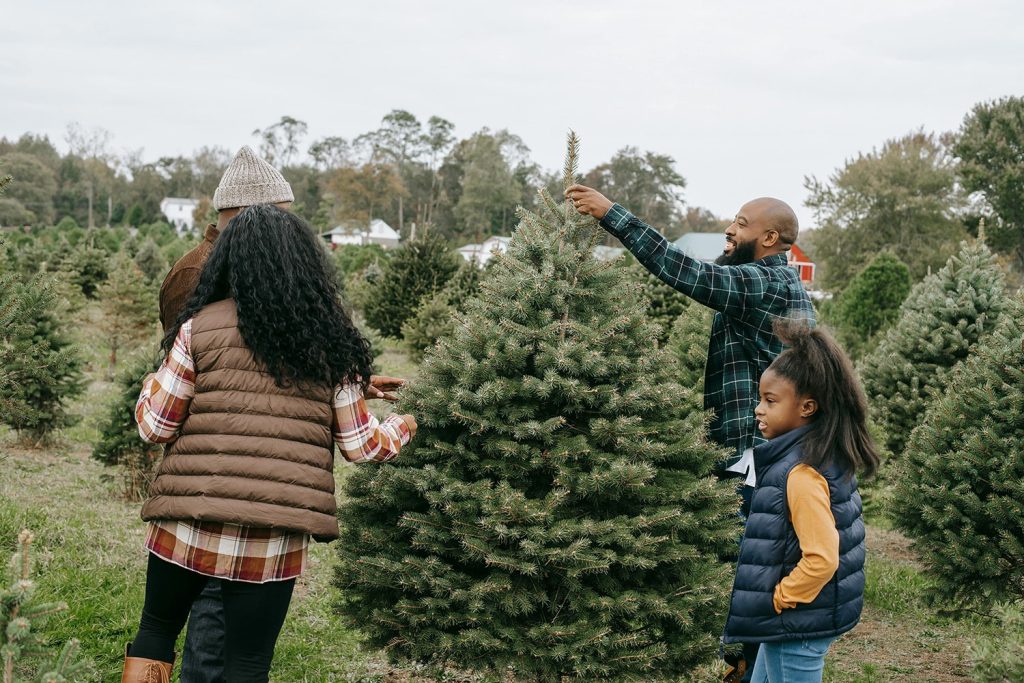
Many people in small towns look for side hustles to boost their income without leaving their community. Seasonal opportunities like selling Christmas trees can be a practical way to earn extra money during the holidays. It fits well with the slower pace of small towns and the strong sense of local connection.
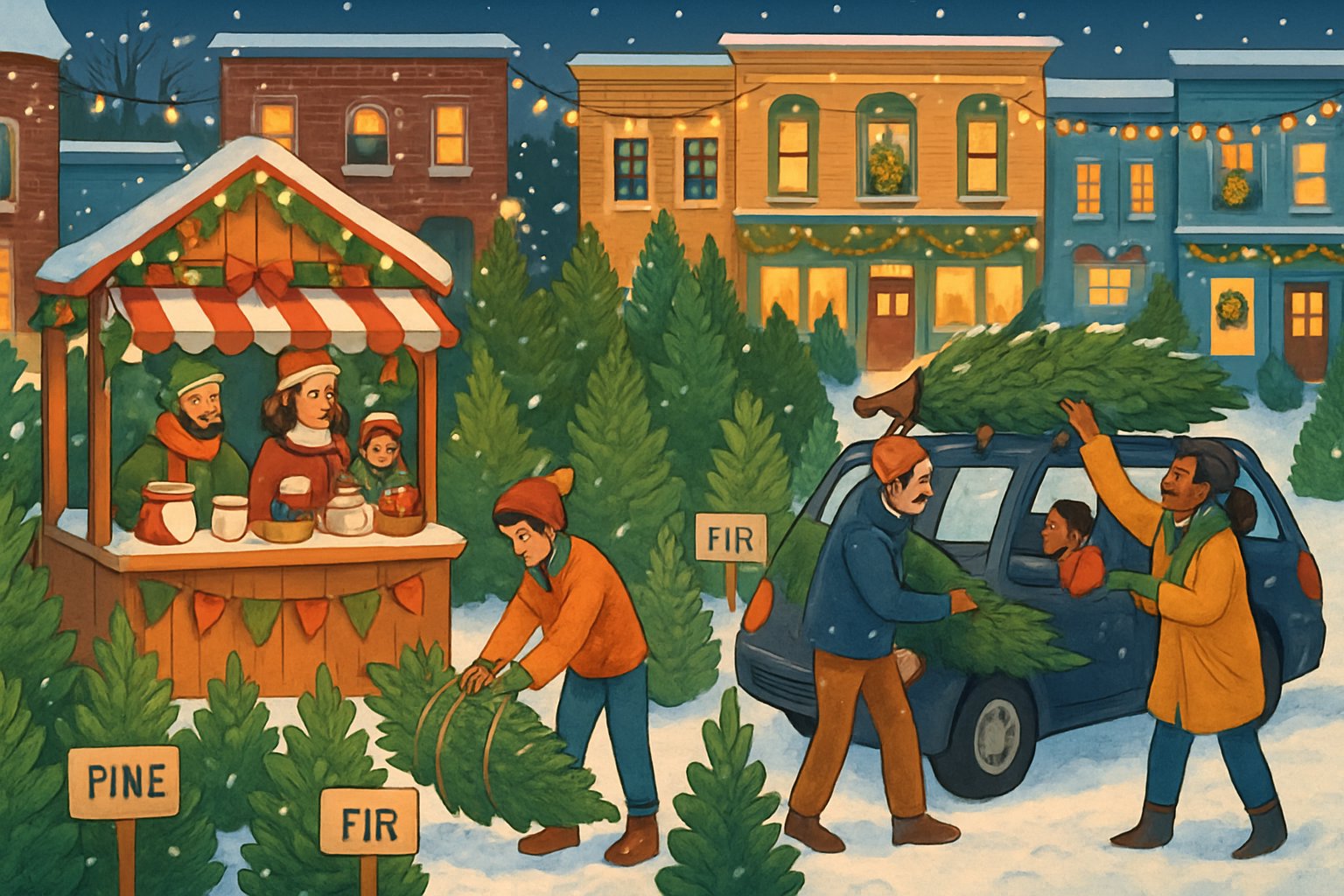
Starting a Christmas tree lot in a small town can be a profitable side hustle if done with good planning, including choosing the right location, connecting with local tree farms, and offering services such as delivery or decorations. For example, setting up a lot near a busy intersection or community event can attract steady traffic, while partnering with nearby farms reduces transportation costs.
This type of side business benefits from local support, so simple marketing like flyers, social media posts, and word of mouth can work well. Offering special touches, such as handmade wreaths or holiday ornaments from local artisans, can make the lot stand out and increase sales.
What Is Christmas Tree Lot Side Hustles in Small Towns?
A Christmas tree lot side hustle involves setting up a temporary business to sell real Christmas trees during the holiday season. In small towns, this can be a simple, low-cost way to earn extra income while meeting a local need.
These side hustles usually run from late November through December. Sellers find a high-traffic spot, like a busy road or near a popular store, where people can easily stop and pick out a tree.
Small town sellers often work directly with local tree farms to get fresh trees in bulk at good prices. This helps keep costs down and allows sellers to offer a variety of trees, such as fir, spruce, and pine.
Practical tips for small town sellers include:
- Renting a visible lot with enough parking space
- Organizing trees by size and type for easy browsing
- Adding wreaths or small holiday decorations to increase sales
- Offering delivery for customers who need help transporting trees
In a small town, word of mouth and local advertising, like flyers or social media posts in community groups, are key to attracting buyers. Sellers can build trust this way because people tend to support neighbors and local businesses.
This seasonal side hustle is flexible. It fits well with other part-time jobs and can earn anywhere from a few hundred to several thousand dollars, depending on the location and effort put in.
Why Christmas Tree Lot Side Hustles in Small Towns Works in Small Towns
Christmas tree lots do well in small towns because they serve tight communities with local needs. People in these areas often prefer shopping near home, supporting local businesses over big stores. This creates a steady flow of customers who want fresh trees without long drives.
Low startup costs also make this side hustle attractive. Renting a lot or open space is usually cheaper in small towns. For example, a small parking lot by a popular grocery store can be enough to sell trees during the holiday season.
Small towns often have access to nearby tree farms or growers. This means tree suppliers are within a day’s drive, reducing delivery costs. Sellers can call farms early, securing quality stock on time. Using local sources also appeals to customers who want to support regional growers.
Marketing can be simple and effective too. Flyers at local shops, word of mouth, and social media posts tailored to the community can bring attention fast. Offering extra services, like delivery or ornaments, adds value without much extra work.
Practical Tips:
- Partner with a local supplier to get good trees at a fair price.
- Choose a visible spot with easy parking to attract shoppers.
- Use social media groups for your town to spread the word.
- Offer small extras like wreaths or gift wrapping to increase income.
This mix of community trust, lower costs, and easy access to supplies makes Christmas tree lots a practical side hustle in small towns.
Startup Costs and Basic Requirements
Starting a Christmas tree lot in a small town usually involves lower costs than in bigger cities. The main expenses include buying the trees, securing a location, and getting basic equipment. Many small-town entrepreneurs use a vacant lot near a busy road, which helps cut rental fees and attracts local shoppers.
Key startup costs often include:
- Tree purchase: wholesale prices for pre-cut trees
- Lot rental or lease: depends on location and demand
- Equipment: saws, tree stands, signage, and lighting
- Marketing: flyers, local ads, or social media posts
A typical budget for a small tree lot ranges from $1,000 to $5,000, depending on the scale and tree supply method. Buying pre-cut trees from local growers can lower costs and foster community connections.
Basic permits and licenses are usually required, but small towns often have simpler rules. It’s important to check with the town hall about zoning laws and sales permits to avoid fines. Some towns may also require temporary business licenses for seasonal vendors.
Seasonal help is a must for busy weekends. Hiring local high school students or part-timers is practical and cost-effective. Proper training on handling trees and sales can create smooth customer experiences without extensive overhead.
In summary, starting a small-town Christmas tree lot depends on smart budgeting, local resources, and clear compliance with local rules. This approach allows entrepreneurs to make the most of their side hustle with manageable investment.
How to Get Customers in a Small Town
In small towns, word of mouth is powerful. He or she should start by talking to neighbors and local business owners to spread the word about the Christmas tree lot. Building strong relationships creates loyal customers and brings more visitors.
Using local social media groups is an effective way to reach nearby residents. Posting regular updates, photos of fresh trees, and special deals on platforms like Facebook or Instagram can attract attention. Including hashtags with the town’s name helps connect with the right audience.
Creating a festive atmosphere at the lot draws people in. Adding holiday decorations, offering hot cocoa, or hosting small events like wreath-making workshops can make the experience memorable. These activities encourage families to visit and spend more time at the lot.
Partnering with other small businesses can boost exposure. For example, a tree lot might team up with a local bakery to offer holiday treats or create bundle discounts with nearby craft stores. Cross-promotion helps both businesses gain new customers.
Clear and visible signage is key. Placing signs on main roads with simple messages like “Fresh Christmas Trees Here” can guide travelers and town residents to the lot. Signs should include lot hours and contact info for easy access.
Offering early bird discounts or small incentives, such as free delivery within town limits, helps encourage early purchases. These promotions work well to draw in the local crowd and increase sales early in the season.
Challenges and Things to Watch Out For
Running a Christmas tree lot in a small town comes with specific challenges. One common issue is managing inventory. Trees need to be fresh and appealing, but ordering too many can lead to unsold stock, while too few means lost sales. Monitoring local demand helps balance this.
Weather can also cause problems. Heavy snow or rain can affect customer turnout and damage trees. Setting up a covered area or offering early-bird discounts can help keep sales steady despite bad weather.
Permits and regulations vary by town. Some places require permits to sell on public land or have rules about signage. Checking with local authorities early prevents fines or shutdowns.
Selling printables related to Christmas, like custom tags or tree care guides, can add revenue but requires basic design skills and a simple website or social media page. It’s a low-cost way to offer value beyond just the trees.
Staffing is important too. In small towns, finding reliable part-time help during busy weekends might be tough. Local high school students or neighbors often work well. Clear schedules and training are key to smooth operations.
Lastly, competition from larger stores or nearby towns can be strong. Differentiating the lot through personal service, festive decorations, or unique tree varieties helps attract and keep customers. Staying active in the community through flyers or social media posts can also boost visibility.
Tips to Maximize Success
Choosing a good location is key in a small town. Setting up near busy spots like grocery stores or community centers helps attract more customers. Easy parking and visibility make it easier for people to stop by and buy a tree.
Offering a variety of tree sizes and types meets different needs. For example, some families may want a small tree for tight spaces, while others look for tall ones for large rooms. Having options helps earn extra cash by appealing to more buyers.
Marketing should focus on local connections. Using flyers at schools, churches, and popular shops spreads the word quickly. Social media pages targeting nearby residents also boost visibility without high costs.
Providing extra services like tree delivery or setup can add income. Many small town customers appreciate the convenience, especially those who may not own a vehicle or have physical limitations. These services help make the side hustle more profitable.
Keeping trees fresh with regular watering and good care is important. Healthy, attractive trees sell better and earn more money. Reminding customers how to care for their tree can improve their experience and encourage repeat business.
Hiring friendly, reliable seasonal help improves customer service. Friendly staff guide buyers and help move inventory faster. This builds a good reputation and can lead to more sales.
Using clear, visible signs with prices and special offers helps grab attention. Simple pricing strategies, like bundle deals for tree stands or decorations, can increase sales and overall earnings.
Why Christmas Tree Lot Side Hustles in Small Towns Will Stay Relevant
Christmas tree lots remain a dependable side hustle in small towns because they connect directly with community traditions. Many families still prefer buying real trees to support local sellers rather than mass retailers. This keeps the demand steady every holiday season.
Small towns often lack big-box stores, giving Christmas tree lots fewer competitors. This helps sellers access roughly 68% of the market in their area. For example, a lot in a town of 5,000 can attract customers from nearby villages, expanding its reach.
Seasonal jobs from tree lots also serve as easy income boosts for residents. People often take shifts selling trees, helping with setup, or managing payments. These low-barrier jobs fit well with holiday schedules and local needs.
A practical tip for success is to offer extra activities, such as hot cocoa stands or simple holiday decorations. This can create a more inviting atmosphere and bring repeat customers. Farms and lots that add small events often see better sales.
| Benefits of Christmas Tree Lots in Small Towns |
|---|
| Limited competition compared to cities |
| Strong community support and traditions |
| Seasonal jobs for locals |
| Opportunities for added activities and events |
In small towns, word of mouth boosts sales more than ads. Sellers who engage customers personally can build trust and loyalty year after year. This makes the Christmas tree lot hustle sustainable and relevant for future holiday seasons.
Conclusion
Starting a Christmas tree lot in a small town can be a smart way to earn extra income during the holiday season. It requires planning, from finding reliable tree suppliers to choosing a good location that is easy for locals to access.
Marketing is key. Simple methods like flyers at local shops, social media posts, and partnerships with community groups can help spread the word. For example, a town with a popular holiday market could set up a booth nearby to attract shoppers.
Offering extras like tree delivery or selling handmade ornaments can increase profits with little extra effort. Small-town customers often appreciate personal service, so focusing on good customer care builds loyalty.
To stay competitive, pricing should reflect what other sellers in the area charge. Watching local trends and adjusting prices can help move trees quickly without cutting into profits.
Finally, it helps to build connections with nearby businesses, such as garden centers or event planners. This cooperation can lead to steady sales over multiple seasons, helping the side hustle grow sustainably.