

Many people in small towns look for side hustles to boost their income without leaving their community. Running a podcast can be a good option because it doesn’t need a lot of upfront costs and can be done from home. It allows someone to share local stories, interests, or skills with a wider audience while keeping their day job.
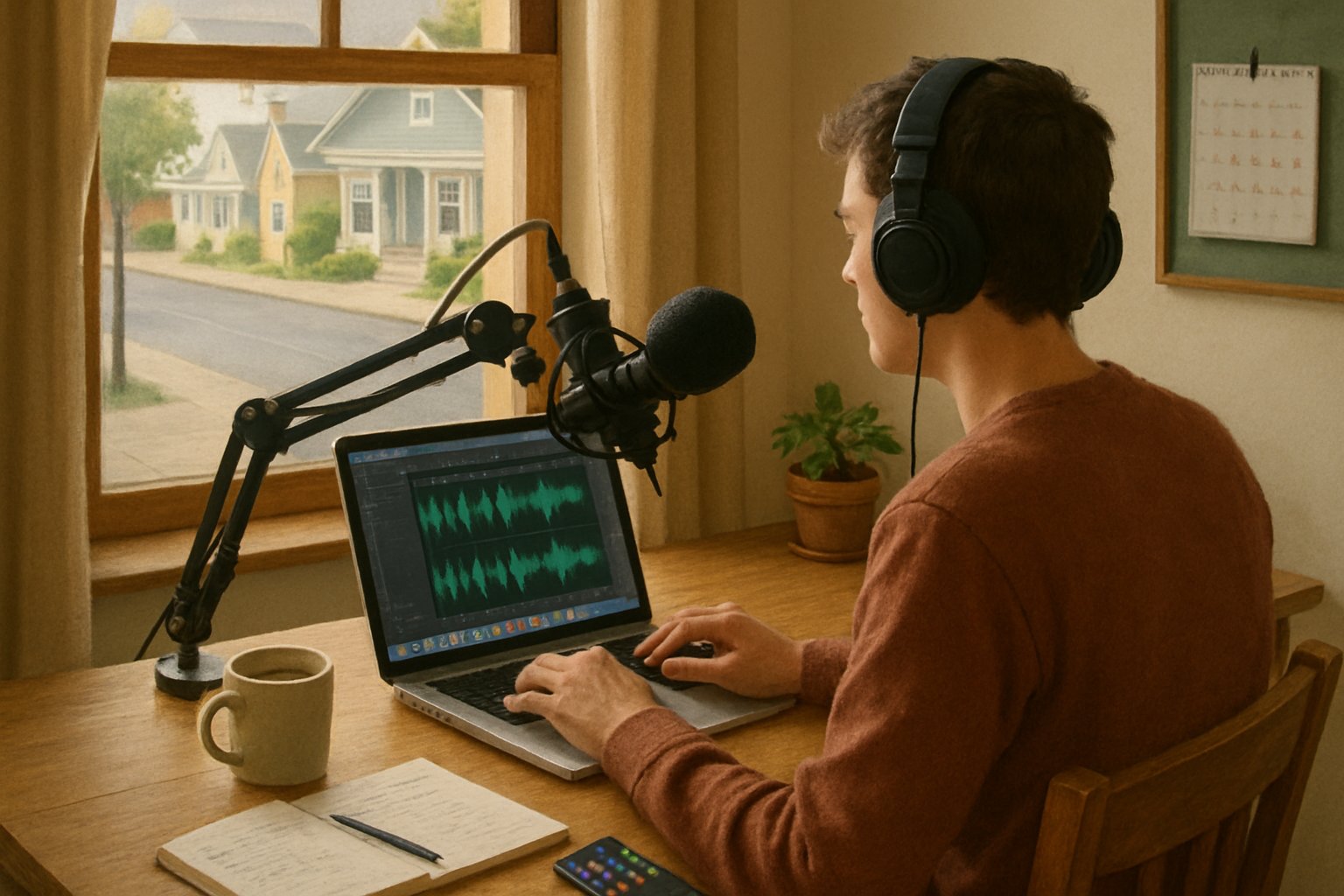
A podcast can work well as a small town side hustle if it focuses on topics that matter to the local community or taps into unique niches. For example, a podcast about local history, small business tips, or nearby events can attract listeners who want to stay connected to the town. With consistent episodes and clear goals, it can grow slowly into a source of income.
Using simple tools and keeping the format straightforward helps keep the effort manageable. Local guests, businesses, or events can add fresh content without moving far from home. Promoting episodes through social media and community groups increases reach and builds a loyal audience, even from a small town.
What Is Can You Run a Podcast as a Small Town Side Hustle?
A podcast as a small town side hustle means creating audio shows that focus on local topics, people, or businesses. It can be an easy way to connect with the community while sharing stories or useful information. Many small towns have unique stories worth telling, which helps a podcast stand out.
Podcasts need only simple tools like a microphone and laptop to start. This low cost makes it a good side hustle option. Someone in a small town could interview local business owners or cover town events. This builds local interest and attracts listeners.
To succeed, the podcaster should focus on a clear topic that matches what the community wants to hear. For example, a show about local food spots, history, or small business tips can work well.
Here are some practical tips for small town podcasting:
- Choose a clear podcast name that reflects the local focus to attract listeners.
- Invite local guests such as shop owners or community leaders to share stories.
- Use simple recording tools like free editing software and affordable microphones.
- Promote episodes on local social media pages and community boards.
- Keep episodes short and regular to maintain listener interest.
By focusing on local stories and keeping costs low, a podcast can be a valuable and manageable side hustle in a small town.
Why Can You Run a Podcast as a Small Town Side Hustle Works in Small Towns
Podcasts fit well as a side hustle in small towns because they connect local stories with a wider audience. Many small towns have unique cultures, businesses, and events that larger markets don’t cover. A podcast focused on these can attract listeners who want to learn about or support the community.
Local business interviews are a great way to start. Featuring shop owners or local leaders helps build a strong listener base. It also encourages those businesses to share the podcast, increasing reach. For example, a small town podcast interviewing local farmers or artisans can tap into a loyal group.
Podcasts require low startup costs. A simple microphone, headphones, and free software like Audacity can be enough. This makes it affordable for people in small towns to try without large investments.
Consistency is key. Publishing episodes regularly keeps listeners engaged. It could be once a week or every two weeks. They should pick a schedule they can manage alongside their main job.
Promotion works well through local social media groups and community pages. Sharing episodes on platforms like Facebook or Nextdoor connects directly with local listeners. Word of mouth can carry the podcast far in a tight-knit town.
Podcasts also offer a chance to monetize through sponsorships from local businesses and listener support. Even small businesses want to reach engaged audiences, which makes collaboration win-win.
These practical steps show why podcasting fits the pace and needs of small towns.
Startup Costs and Basic Requirements
Starting a podcast as a small town side hustle can be done with a modest budget. Many begin with a simple setup that balances cost and quality.
At minimum, a basic USB microphone costing around $30 to $100 is enough. Some use their smartphone to record, especially when just testing the waters. Free software like Audacity or GarageBand provides solid editing tools without added expense.
Podcast hosting can also be free through platforms like Spotify for Podcasters or Podbean. These offer limited storage but work well for local podcasts with smaller audiences.
For those ready to invest a bit more, mid-range gear includes a better USB or XLR microphone ($150-$300) and an audio interface ($50-$200). This setup improves sound quality and helps stand out in competitive podcast spaces, even in small towns.
Simple soundproofing measures can make a difference. A quiet room with curtains, blankets, or foam panels for $50 to $200 reduces echo and background noise, which is often noticeable in home recordings.
Here’s a quick rough budget example:
| Item | Low-Budget Cost | Mid-Range Cost |
|---|---|---|
| Microphone | $30 – $100 | $150 – $300 |
| Audio Interface | None | $50 – $200 |
| Editing Software | Free | Free or $10/month |
| Hosting | Free | $10 – $20/month |
| Soundproofing | DIY or $0-$50 | $50 – $200 |
Small town podcasters can leverage local stories and community events to keep content fresh and attract loyal listeners, reducing the need for expensive marketing.
How to Get Customers in a Small Town
To find listeners and customers in a small town, the podcaster should focus on local connections. Starting by interviewing local business owners helps build relationships and attract those business owners’ customers to the podcast. This also shows the podcaster’s support for the community.
Using social media groups for the town can spread word of the podcast quickly. Sharing episodes in town groups on Facebook or Nextdoor reaches people already interested in local news and events.
Another tip is to partner with local stores or events. The podcaster can offer to promote events on the podcast or leave flyers in shops where people visit every day. These physical reminders help bring in listeners who might not use the internet much.
They can also ask guests and local friends to share the podcast. Word of mouth works well in small places since people know each other and trust recommendations. The podcaster can make it easy by providing short messages or images for sharing.
Offering special episodes that focus on important town topics, like a new school, local charity, or upcoming festival, draws attention. People will tune in because the content feels relevant to their lives.
Finally, it’s helpful to create a simple email list. The podcaster can collect emails at events or online, then send updates and ask subscribers to share the podcast with others.
| Customer Approach | Example in Small Town |
|---|---|
| Interview local business | Talk to the owner of the town diner |
| Social media sharing | Post in the community Facebook group |
| Event partnerships | Promote the annual harvest festival |
| Word of mouth | Ask the local librarian to mention it |
| Special topic episodes | Cover a local high school game |
Challenges and Things to Watch Out For
Running a podcast in a small town can have limits in audience size. The pool of local listeners might be small, so growing beyond that takes effort. They should consider reaching nearby towns or using social media to attract more listeners.
Finding sponsors can be tough. Local businesses may have small marketing budgets. It helps to offer affordable ad spots or partner with multiple businesses to create a steady income.
Consistency is key but can be hard to maintain. Scheduling interviews with busy local owners may cause delays. Planning ahead and batching episodes helps keep the podcast on track.
Technical skills can also be a hurdle. Editing and sound quality matter. Using simple editing tools or hiring freelancers can improve the final product without a steep learning curve.
Promoting the podcast in the community matters a lot. Attending local events or hosting live shows can boost visibility. It builds trust and lets people feel involved.
| Challenge | Tip for Small Town Podcasters |
|---|---|
| Small audience size | Expand reach online, include nearby towns |
| Limited sponsorship options | Offer low-cost ads and bundle deals |
| Scheduling difficulties | Batch record episodes in advance |
| Technical skills needed | Use beginner-friendly tools or outsource |
| Getting community attention | Engage at events and use local networks |
These challenges are common but manageable. Planning and local connections matter most.
Tips to Maximize Success
To succeed with a podcast as a small town side hustle, focus on local connections. Interviewing local business owners or community leaders can build trust and interest. This approach highlights the unique stories of the town, making the podcast more relevant to local listeners.
Consistency is key. Publishing episodes on a regular schedule helps build an audience over time. Entrepreneurs in small towns should plan episodes ahead and stick to their timelines, even if it means starting with shorter, simpler shows.
Promotion matters. Using local social media groups, community boards, and events can spread the word. Small town podcasters can partner with local stores or cafés to share flyers or host live events, increasing visibility.
Quality does not require expensive gear but should be clear and easy to listen to. Simple microphones and free editing software work fine. Prioritizing good audio keeps listeners engaged without needing a big budget.
Finally, explore monetization options gradually. Local sponsorships from small businesses often fit well in this setting. Offering advertising slots or hosting special episodes featuring local products can create income while supporting the community.
| Tip | Example |
|---|---|
| Interview local leaders | Chat with the mayor or school principal |
| Keep a regular schedule | Release new episodes every Tuesday |
| Promote in community | Post flyers in the library or town hall |
| Use affordable gear | USB microphone and editing apps like Audacity |
| Monetize with sponsors | Local bakery sponsors a food-themed episode |
Why Can You Run a Podcast as a Small Town Side Hustle Will Stay Relevant
Podcasting keeps growing because it can reach listeners anywhere, even from a small town. The internet removes location limits, letting creators share local stories, events, or interests with a wider audience.
Small town podcasters can focus on unique topics like local history, community news, or small business interviews. This builds a loyal audience interested in that specific content.
Practical tip: Use local guests to add value and variety to episodes. For example, a podcaster in a small rural town could interview farmers, artists, or local leaders. This makes episodes authentic and relevant.
Consistency matters. Releasing episodes on a set schedule helps keep listeners engaged. Many successful podcasters stick to weekly or bi-weekly releases to stay on audience radar.
Monetization options like sponsorships, local ads, and affiliate marketing are available even in small markets. Local businesses may want to support a podcast that boosts community connection.
Small town example: A podcaster in a town of 10,000 could partner with a local café to sponsor an episode. This benefits both the podcast and the business by building local awareness.
Tech is more accessible than ever. Good microphones and editing software don’t have to cost much. This makes starting and running a podcast affordable, even with a small budget.
The flexible nature of podcasting allows creators to fit production around other jobs or family life, making it ideal as a side hustle in small towns.
Conclusion
Running a podcast as a small town side hustle is possible with the right focus. By choosing a local niche, such as community events, local history, or small business stories, one can build a dedicated audience. This creates a strong connection with listeners who value content they can relate to.
Consistency matters in small town podcasting. Regular episodes help build trust and keep listeners coming back. Simple tools like a good microphone and editing software can improve audio quality without high costs. These small investments make a podcast more enjoyable to hear.
Promotion is also key. Sharing episodes on local social media groups or community websites can increase reach. Collaborating with local businesses or organizations for sponsorships benefits both parties. This makes the podcast a useful platform within the town.
Below are practical tips for small town podcasters:
- Focus on local stories: Highlight people and events unique to the town.
- Use simple equipment: A mid-range microphone and free editing tools are enough.
- Engage the audience: Ask for feedback and invite guests from the community.
- Promote locally: Use flyers, local newsletters, and social media to spread the word.
With these actions, a podcast can grow steadily and become a reliable side hustle in a small town setting. It allows creators to share their passion while connecting with their community.